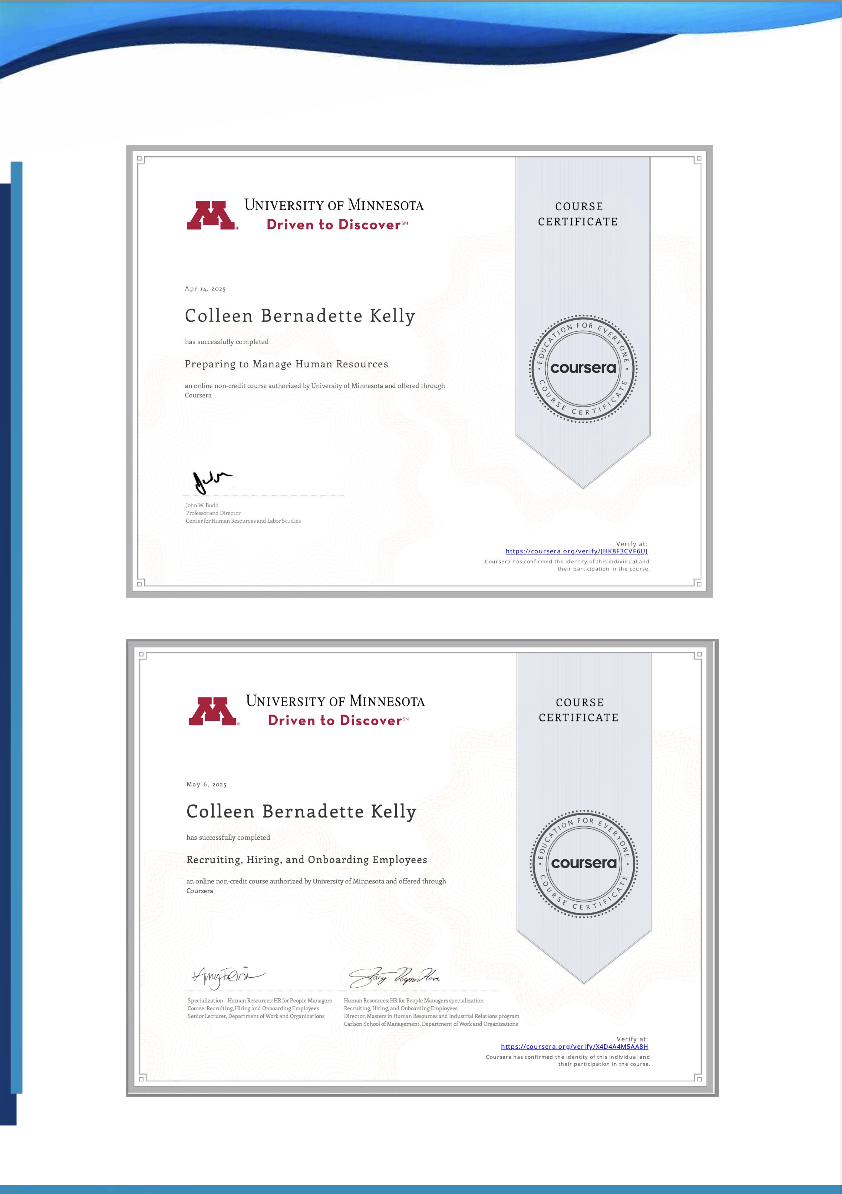
Colleen Kelly, author, keynote speaker, and retired Visiting Adjunct Professor - after 34 years as an official judge is now a “whistleblower” against cruelty in the horse industry and modern slavery.
She has fought through tragedy in her life, fighting breast cancer, and losing her entire family, one by one to cancer.
Her world lecture tour included the world's most prestigious Universities and events as prestigious as the World Equestrian Games, and she has spoken in Europe, the UK, USA, Canada, the Middle East, Asia, New Zealand, and her beloved 'lucky country': Australia.
Her remarkable resilience and extraordinary contribution to charities have seen her awarded with many awards from small Riding for Disabled and therapeutic centers - right through to a thank-you plaque from the London Metropolitan Police - the mounted escort to the Queen of England's Guards.
Colleen is retired from horses completely but does speak at charitable and similar events about resilience - going from being homeless with breast cancer to the world No. 1 in her field, and also speaks against the cruelty of animals and her experience at the very highest elite levels in the horse world.
Follow-Up: A comprehensive final report will be submitted upon project completion, with recommended follow-up studies at 12 and 24 months to assess long-term impacts.
1. Introduction
The Pacific Islands and Timor-Leste face urgent socio-economic challenges, such as high unemployment and limited educational opportunities. In response, transnational employment programs have emerged as a promising solution, fostering economic mobility and social empowerment. This study, “The Pacific Island and Timor-Leste Transnational Employment Study,” examines the impacts of these initiatives on participants and compares them to frameworks in Australia, New Zealand, Canada, and the United States.
Key benefits of transnational employment programs, like Australia’s Labour Mobility (PALM) scheme, include:
Economic Growth and Stability: These programs address labor shortages in vital sectors, providing participants with stable incomes and stimulating local economies through remittances.
Skill Development: They enhance participants’ employability by facilitating skill transfer, contributing to a more skilled workforce in their home countries.
Social Justice and Empowerment: By promoting labor mobility, these initiatives strengthen community ties and improve access to opportunities, enhancing overall quality of life.
This research will explore socio-economic outcomes and barriers to participation, aiming to inform policymakers on equitable and sustainable employment programs that align with community needs. Ultimately, the study seeks to improve lives through initiatives that empower individuals and strengthen communities.
What is the australian ‘palm’ program?
The PALM (Pacific Australia Labour Mobility) scheme is an initiative of the Australian government designed to allow workers from Pacific Island countries and Timor-Leste to work in Australia to help fill labor shortages. As of my last knowledge update in October 2023, the countries that participate in the PALM scheme include:
Fiji
Kiribati
Nauru
Papua New Guinea
Samoa
Solomon Islands
Tonga
Tuvalu
Vanuatu
Timor-Leste
what is the nz program? (RSE)
New Zealand has its own similar programs such as the Recognized Seasonal Employer (RSE) scheme, which allows workers from Pacific countries to work in New Zealand. While the exact list of countries may vary slightly, the main participating countries are generally aligned with those in the PALM scheme.
New Zealand Recognized Seasonal Employer (RSE) Scheme Countries:
Fiji
Kiribati
Nauru
Papua New Guinea
Samoa
Solomon Islands
Tonga
Tuvalu
Vanuatu
Timor-Leste
Both Australia and New Zealand aim to support Pacific nations through these labor mobility schemes, helping to address labor shortages while providing economic opportunities for workers from these countries. Please verify with the most current and official resources, as program details may change.
2. ObjectiveS
Improve the Lives of Workers Asses the current transnational employment systems, investigate fair employment practices, and new opportunities, in Australia and New Zealand, to enhance the livelihoods of Pacific Island & Timor-Leste workers.
ImprovingEconomic Returns Assess ways to enhance the economic benefits by increased productivity and economic growth in sectors experiencing labor shortages.
Fill Labor Shortages To assess how PALM and associated global programs might improve to better address labour shortages, allowing industries to operate efficiently without the need for long-term hiring commitments.
Improve Productivity Through Return of Workers Returning workers bring familiarity, skills and knowledge, loyalty and engagement that enhances productivity and operational practices.
Enhance Socio-Economic Conditions of Participating Countries Foster local economic growth and empower community development initiatives to improve worker’s finances and living standards, respecting and uplifting the unique cultural contexts of each community.
Fortify Community Resilience Help communities diversify and develop new income sources, especially in the age of “work-from-home” employment and “study-from-home” education now available through artificial intelligence that was never previously possible, thereby building brand new opportunities for the Pacific and Timor-Leste and true resilience against economic shocks and crises.
Advance Social Justice and Equity Promote equitable access to employment for marginalised groups, fostering inclusivity and enhancing community engagement.
Enhance Geopolitical Security and Influence By actively engaging in the Pacific and Timor-Leste regions, Australia and New Zealand can strengthen their friendship, trade and diplomatic ties and promote stability, while addressing the diverse interests of various geopolitical actors.
Foster Cultural Exchange and Understanding Promote cultural exchange, enhancing mutual understanding and strengthening diplomatic relations between Australia, New Zealand, and Pacific Island nations.
3. Project Design
This project has been designed to encourage follow up projects at 12 months and 2 years after completion, therefore the project has been designed using scientific methods to ensure the study is able to be repeated. This study employs rigorous scientific methodologies to ensure reproducibility and reliability of results. The design incorporates both qualitative and quantitative approaches to gather extensive data on the socio-economic landscapes of the Pacific Islands and Timor-Leste, particularly as they pertain to the Pacific Australia Labour Mobility (PALM) System, and the New Zealand Recognised Seasonal Employer (RSE) scheme.
4. Scope
Data collection will involve structured questionnaires and stakeholder interviews across participating countries, including:
Fiji
Kiribati
Nauru
Papua New Guinea
Samoa
Solomon Islands
Tonga
Tuvalu
Vanuatu
Timor-Leste
5. Stakeholders
The project will create a triadic benefit structure:
Enhanced earning potential, allowing for improved living standards and community investment.
Access to training and educational programmes that empower them to develop new skills, not only for their job but also for community leadership roles.
Opportunities for personal and professional growth through mentorship and skill-sharing initiatives.
Corporations will experience enhanced productivity and reduced turnover by fostering a return workforce familiar with company culture and practices (Fair Work Ombudsman). This will lead to:
Increased efficiency and output due to a skilled and reliable workforce.
Lower recruitment costs as returning workers already understand the workplace dynamics.
Australia will address labour shortages in critical sectors, ensuring the continuity of essential services and agricultural production (Department of Agriculture, Fisheries and Forestry). Benefits include:
Enhanced food security through increased agricultural productivity.
Access to a diverse food supply that supports local markets and cuisines.
The overarching aim is to create a win-win scenario where improved conditions for workers translate into greater benefits for their home communities, thereby fostering sustainable economic growth.
6. Project Timeline
The project will span two years, commencing February 2025, and concluding December 2026.
7. Key Resources
The project will be supported by a combination of my own research expertise and established methodologies. I will utilise:
Comprehensive literature reviews to inform the study design and data collection processes.
Statistical software and tools that I am proficient in (SPSS), ensuring robust data analysis.
Established research frameworks and methodologies that I will adapt for the unique contexts of the Pacific Islands and Timor-Leste.
Personal networks within academic and professional circles to facilitate access to relevant data and insights.
Engagement with local communities to ensure culturally sensitive and contextually relevant data collection.
This strategic approach will ensure that the project is grounded in rigorous research principles while directly benefiting from my academic and practical experience.
8. Risk Management
Public liability will be managed in accordance with legal standards, with oversight provided by relevant authorities. As a former Spokeswoman for the WorkCover Authority of NSW, I will ensure all community engagement activities are meticulously planned, documented, and evaluated for effectiveness.
9. Communication Plan
Stakeholders will receive monthly updates on project progress and findings, fostering transparency and engagement throughout the study’s lifecycle.
This data-driven project is meticulously designed with integrated mechanisms for evaluating success, focusing on tangible outcomes that align with stakeholder interests.
The evaluation framework includes:
Comprehensive key performance indicators (KPIs) that assess economic impact, participant satisfaction, and advancements in social justice, drawing upon methodologies outlined in the International Journal of Project Management.
Well-defined criteria for measuring project outcomes, ensuring that both the Australian and New Zealand governments and other stakeholders can clearly see the value derived from their investment in this study.
A stakeholder feedback loop that actively engages participants and partners, allowing for continuous improvement and alignment with the “what’s in it for me” principle, ensuring that all stakeholders recognise and benefit from the study’s success.
12. EXPLORING Additional benefits
Educational Opportunities
Language Proficiency Certification: Offer certification programs in English or the host country’s language to improve employability.
Vocational Trade Certificates: Develop accredited vocational training programs in trades like plumbing, electrical work, and carpentry.
Technical Skills Certifications: Provide certification in technical skills such as computer programming, IT support, or machinery operation.
Financial Literacy Certification: Create courses with certification on personal finance management, budgeting, and investment strategies.
Entrepreneurship Certification: Offer programs with a focus on business management and entrepreneurship, leading to recognised certifications.
Health and Safety Certifications: Provide training and certification in workplace safety standards and emergency response.
Cultural Orientation Certification: Develop programs that offer certificates in cultural awareness and etiquette for better integration into the host country.
Soft Skills Training: Offer workshops on communication, teamwork, and problem-solving, culminating in certification.
Hospitality Certifications: Partner with local hospitality schools to offer recognised certifications in food service and tourism management.
Online Learning Platforms: Establish partnerships with online educational platforms to provide access to certifications in various fields.
Work-Related Benefits
Job Placement Services: Provide services to help workers secure employment upon returning home, including certification of skills acquired.
Internship Opportunities: Facilitate internships that offer hands-on experience and certification in relevant fields.
Mentorship Programs: Pair workers with industry professionals for guidance on career paths and networking opportunities.
Leadership Development Programs: Develop programs focused on cultivating future leaders in various sectors, with certification upon completion.
Trade Competitions: Organize competitions that enable workers to showcase their skills and earn recognition.
Health & WellnessEmployers Could Offer
Health Insurance Packages: Offer affordable health insurance options for seasonal workers during their stay, contributing to overall well-being.
Mental Health Workshops: Provide access to mental health resources and workshops that focus on stress management and resilience.
Wellness Programs: Implement wellness initiatives that promote physical health and mental well-being, including fitness classes.
Community Development
Community Engagement Projects: Encourage workers to participate in community service projects that foster local engagement and skill development.
Networking Events: Organize events that connect workers with local professionals, enhancing their career opportunities.
Cultural Exchange Programs: Facilitate events that allow workers to showcase their culture, enhancing cross-cultural understanding.
Financial Support
Savings Incentives: Implement programs that encourage workers to save a portion of their earnings, potentially with matching contributions.
Affordable Remittance Services: Provide low-cost remittance options for workers to send money back home, benefiting local economies.
Emergency Financial Assistance: Establish funds to support workers in times of unexpected financial hardship.
Family Connection Programs
Family Connection Programs: Offer services that help workers maintain contact with their families while abroad.
Childcare Support: Provide childcare options to help workers with families manage their responsibilities.
Career Advancement
Clear Advancement Pathways: Develop transparent pathways for career advancement within the organisation.
Regular Performance Feedback: Conduct evaluations that provide constructive feedback and support professional growth.
Scholarships for Further Education: Offer scholarships for workers who wish to pursue further studies in their home countries.
Cultural & Recreational Activities
Cultural Festivals: Host festivals that celebrate the diverse backgrounds of seasonal workers, promoting inclusivity.
Leisure and Sports Activities: Provide organized sports and recreational activities to encourage community building.
Legal Awareness
Worker Rights Education: Offer training on the legal rights and protections available to workers in the host country.
Legal Aid Services: Provide access to legal assistance for immigration and labor-related matters.
Technological Access
Access to Digital Resources: Offer free or subsidized access to computers and the internet for educational purposes.
Digital Skills Training: Provide training in digital literacy, enhancing employability in a tech-driven world.
Environmental Awareness
Sustainability Education: Offer training on sustainable practices that workers can implement in their home countries.
Community Gardening Projects: Involve workers in local environmental and gardening initiatives that promote sustainability.
Inclusive Workplace Policies
Diversity Training for Staff: Provide diversity and inclusion training for local employers and staff to create a welcoming environment.
Feedback Mechanisms: Implement channels for workers to share their experiences and suggestions for improvement.
Time Management Workshops
Time Management Workshops: Offer workshops to help workers develop effective time management skills.
Goal-Setting Programs: Assist workers in setting and achieving personal and professional goals through coaching.
Recognition and Appreciation
Recognition Awards: Establish awards to recognize outstanding contributions of seasonal workers.
Alumni Networks for Graduates: Create networks that connect former workers for ongoing support and collaboration.
Emergency Response Training
Emergency Response Training: Provide training in emergency preparedness and response, beneficial for individual and community safety.
Cross Cultural Training
Cross-Cultural Competency Training: Offer training for both workers and local staff to enhance mutual understanding and respect.
Transition Support
Reintegration Programs: Develop programs to support workers in their transition back to their home countries.
Post-Employment Counselling: Provide resources for workers to help them navigate their careers after returning home.
Local Project Investments: Collaborate with workers to identify and invest in development projects in their home communities.
Community Investment
Local Project Investments: Collaborate with workers to identify and invest in development projects in their home communities.
Feedback & Continuous Improvement
Regular Needs Assessments: Conduct assessments to understand the ongoing needs of workers and improve program offerings.
Long Term Collaborations
Partnerships with Educational Institutions: Establish collaborations with educational and training institutions in both host and home countries to create ongoing learning opportunities.
Negligent Hiring Practices: Preventing Risk to Organisations.
by Colleen B Kelly
**DISCLAIMER:** I am not a lawyer. While my background as the Wpokeswoman for the WorkCover Authority of NSW provides me with experience in human resources and workplace safety, and my many years as a Manager at Australia’s leading recruitment agency at the time has given me in-depth knowledge, this does not, in any way, constitute legal advice. For specific legal guidance, always consult a qualified legal professional specialising in employment law. In addition, the information presented may not reflect the most current legal developments in your country and should be considered for informational purposes only.
Abstract:
In the contemporary employment landscape, negligent hiring practices pose substantial risks to organisations, including potential legal liabilities and reputational damage. This paper explores crucial strategies and insights to prevent these risks, leveraging contemporary case studies, legal frameworks, and best practices in recruitment and background verification. Key areas of focus include the necessity of thorough background checks, credential verification, and adherence to the constantly changing privacy laws to ensure due diligence. With the rise of algorithmic hiring, this study also emphasises the importance of regular reviews of automated processes to address biases and privacy concerns. By aligning hiring practices with organisational values and legal standards, employers can safeguard their interests, foster a safe work environment, and remain competitive in the global market. Implementing training programmes for hiring managers and seeking expert consultation can further enhance compliance and recruitment strategies. This comprehensive approach not only mitigates legal and reputational threats but also supports the cultivation of an inclusive and efficient workforce. About Colleen Kelly
Executive Summary:
In 2025’s geopolitical instability and ever changing employment landscape, rigorous hiring practices are essential to mitigate negligent hiring risks. Employers face significant legal liabilities and serious reputational damage without thorough due diligence, including background checks, credential verification, and compliance with privacy laws. Training programs for hiring managers are crucial for maintaining compliance throughout the employee lifecycle.
As AI, algorithms, and soon quantum computing is developed, automated hiring will not lift the legal burden on organizations. In other words you can’t “blame it on the computer”. Managers must regularly review any AI hiring tools to address biases and privacy concerns, and of course, errors. AI has not (yet?) replaced expert consultation regarding compliance, however AI is having remarkable success in refining recruitment strategies, vital for attracting talent in a competitive market.
Given the complexities of negligent hiring and the challenges posed by algorithmic screening, expert guidance is crucial. Neglecting these issues can result in costly legal liabilities and the loss of top talent. By investing in expert advice, you can secure a competitive advantage in the dynamic employment landscape.
1. Legal ConsequencES
Conducting comprehensive background checks is crucial for identifying potential risks posed by candidates during the hiring process. These checks provide valuable insights into a candidate’s history, including their criminal record, employment history, and qualifications, helping employers make informed decisions. The absence of such thorough checks can lead to negligent hiring, which not only puts the organization at risk but can also result in significant legal and safety consequences. Negligent hiring can expose employers to lawsuits, damage their reputation, and create unsafe work environments, ultimately affecting employee morale and productivity. Therefore, investing in a robust background check process is essential for protecting both the organization and its employees.
In Australia, the “Reynold v. Nowra Coaches Pty Ltd” case highlighted the importance of background checks. The court concluded that the employer was responsible for not investigating an employee’s past adequately, emphasising the legal need for thorough checks to mitigate risks.
In the United Kingdom, the “Maguire v. Harland & Wolff PLC” case underscored the significance of robust background investigations when an unvetted employee caused harm, leading to employer liability.
In Canada, the importance of thorough background checks was highlighted by the case of “Jacobi v. Griffiths.” This case involved an employee’s misconduct that led to significant financial and reputational damages for the company involved. The decision underscored the critical need for employers to conduct diligent background screening procedures to prevent negligent hiring practices that can cost companies millions and harm their reputation.
Many developing countries are also recognising the importance of thorough background checks in mitigating risks associated with negligent hiring.
India: In India, the enactment of background verification guidelines is essential to address risks linked to negligent hiring. The Ministry of Labour and Employment]in India emphasizes the importance of due diligence in hiring, aiming to enhance workplace safety and reduce risks associated with hiring individuals with questionable backgrounds. These guidelines are part of broader efforts to improve the hiring ecosystem, although the detailed standards are more extensively covered in official government publications. These efforts are complemented by industry reports which indicate a rise in discrepancies found during background checks, emphasizing the economic risks posed by inadequate screening. However, specific data from industry leaders like First Advantage provide insightful trends which are available on non-governmental platforms. The trend towards thorough background verification is mounting in India, driven by guidelines from both industry alliances like NASSCOM and governmental bodies, and further underscored by data from industry leaders in background screening services.
Brazil: The Labour Law (Ministry of Labour and Employment) in Brazil emphasises the importance of trust between employer and employee, with background checks increasingly being practised to prevent negligent hiring risks.
South Africa: In South Africa, background verification processes are crucial for ensuring that hiring practices are reliable and secure. Entities such as the South African Qualifications Authority (SAQA)play a critical role in this system by verifying the qualifications of potential employees. SAQA ensures that the academic and professional credentials presented by job applicants are legitimate and recognized. This verification process is part of a broader initiative to enhance trust and integrity in the hiring process, protecting employers from the risks associated with fraudulent credentials and enhancing overall workplace competency and safety.
Mexico: verification of employee background is becoming essential due to growing concerns about workplace safety and liability, aligning with legal expectations (Bibliotheca Jurídica Virtual).
In Nigeria, as the economy develops, institutions such as the Nigerian Security Printing and Minting PLC are advocating for stringent employment screening (The Nation Online).
2. Negligence in Background Checks:
WARNING: Legislation is changing rapidly in the era of AI, significantly impacting employment law compliance. Many regions are embracing the “Ban the Box Campaign“, preventing employers from inquiring about criminal history on initial job applications. To avoid legal consequences, it is crucial to stay informed about local, state, federal, and even global laws as they evolve. Failure to comply could expose you to significant risks and liabilities. Stay vigilant and up-to-date to protect your business.
Australia: Under Australian law, employers are obligated to conduct thorough due diligence to prevent negligent hiring claims. The legal framework in Australia places an emphasis on the employer’s responsibility to verify the backgrounds of prospective employees to avoid workplace risks and liabilities.
Europe: In Europe, the EU General Data Protection Regulation (GDPR) imposes strict requirements on handling personal data during recruitment, including reference checks. The GDPR emphasises privacy and fairness, making it crucial for employers to comply with these regulations during the hiring process. Failure to adhere to GDPR requirements can result in significant financial penalties and damage to the company’s reputation.
USA: Employers should diligently contact references to uncover past behaviors that could indicate risk. In the case of Kimbro v. Atlantic Richfield Company, the court found the employer liable for failure to conduct proper reference checks, resulting in liability for subsequent actions by the employee. This case highlights the legal responsibility of employers in the United States to perform due diligence during the hiring process.
3. Overlooking Risks OF violence:
USA: Employers who ignore prior risky behaviours documented in an employee’s history risk serious liability. In Di Cosala v. Kay a decision by the New Jersey Supreme Court ruled that employers could be held liable for negligent hiring if they fail to perform adequate background checks and subsequently hire an employee with a known history of dangerous behavior. If an employee commits acts of violence while on the job that could have been foreseen given their past, the employer may be found liable for damages.
Australia: In Australia, employers need to exercise due diligence in hiring practices to avoid negligence claims. The case of State of New South Wales v. Napier illustrates the principle of vicarious liability, where an employer can be held liable for an employee’s actions if they were acting within the scope of their employment, especially if a known risk was overlooked. Moreover, guidance from Safe Work Australia helps employers identify and manage workplace risks by fostering a culture of safety and thorough employee vetting.
Europe: European employers face similar liabilities if they neglect to address known risks associated with potential employees. The EU Directive 89/391/EEC, also known as the OSH “Framework Directive,” provides measures to encourage improvements in the safety and health of workers, emphasising the importance of risk assessments and management. Additionally, the European Court of Justice (ECJ) case law often informs employer responsibilities regarding workplace safety and the need to mitigate known risks.
4. Ignoring TIME GAPS & Inconsistencies:
Unaddressed time gaps gaps or inconsistencies could conceal past misconduct. An illustrative decision is seen in “Doe v. Department of Justice,” where ignoring such inconsistencies resulted in detrimental conduct by the employee. Doe v. Department of Justice
Australia: It is essential that employers conduct comprehensive reference checks to detect discrepancies in employment histories that may suggest a potentially risky hire. The National Employment Standards (NES), outlined in the Fair Work Act 2009, stress the importance of due diligence in hiring practices, which can encompass checking employment histories.
Europe: Employers must ensure they comply with General Data Protection Regulation (GDPR) when handling personal information during reference checks. Article 6 of the GDPR discusses lawful processing, including the handling of personal data for employment purposes.
USA: The case “Kimbro v. Atlantic Richfield Company” highlights the failure to diligently address reference checks, leading to employer liability for an employee’s subsequent actions.
5. FAILURE TO CHECK Skills & Credentials:
It is crucial for employers across different regions to conduct proper verification of skills and credentials to mitigate liability risks associated with unqualified hires. In Australia, under the Fair Work Act 2009, Australian National Employment Standards, due diligence in employment practices is vital to avoid such liabilities. In the United States, the case of Sumner v. Mercy General Hospital illustrates the dangers of inadequate credential verification when an under qualified employee’s actions resulted in a preventable patient incident. Similarly, in Europe, employers must adhere to the General Data Protection Regulation (GDPR) rules when conducting background checks, ensuring thorough credential and skill verification to avoid potential harm caused by unqualified staff.
6. Failure to Provide Adequate Training:
Insufficient training increases workplace risk. The legal outcome in “” underlined employer liability when poor training led to a preventable patient incident. Legal frameworks across Australia, Europe, the USA, and Canada underscore the importance of adequate employee training as part of negligent hiring practices.
In Australia, the Work Health and Safety Act 2011 emphasises the duty of care employers owe to their employees, obligating them to provide necessary training and supervision to minimise risks (See: Safe Work Australia).
In the European Union, the Employers’ Directive 89/391/EEC requires employers to ensure safety training to their employees, which is a critical component in mitigating organisational risks (Eur-Lex Directive 89/391/EEC).
In the United States of America, court cases like “Jones v. Windy Pines Nursing Facility” illustrate the ramifications of insufficient training leading to liability, where employers failing to adhere to appropriate training protocols can face legal repercussions.
Meanwhile, in Canada, the Occupational Health and Safety Act specifies the necessity of training programs to prevent workplace incidents, exposing negligent employers to potential legal claims if training is inadequate (Ontario Ministry of Labour, Occupational Health and Safety Act). Collectively, these legal guidelines emphasise the critical role of training in preventing negligent hiring claims and ensuring organisational safety.
7. GLOBAL HIRING Laws:TRANSNATIONAL, ARTIFICIAL INTELLIGENCE (AI) & Remote Work Era
The system around the world of bringing agricultural and seasonal workers from developing countries has always been a shameful point in history. Even in my own area, in Queensland, Australia, we have a dreadful past of slavery. However, you would think that blackbirding ended years ago, however The Global Slavery Index (GSI) estimates that approximately 41,000 individuals are currently subjected to modern slavery within Australia. In terms of prevalence, Australia is ranked 149th out of 160 nations worldwide and 26th out of 27 within the Asia-Pacific region. These estimates include conditions such as forced labor, and debt bondage.
Compliance (Global Strategies): Transnational labor law is governed by three primary international bodies: the International Labour Organisation (ILO), the World Trade Organisation (WTO), and the Organisation for Economic Co-operation and Development (OECD). These organisations provide a framework for addressing global workforce mobility. The United States the H-2A Programand Australia’s Pacific Island Labour Mobility (PALM) Scheme facilitate temporary employment for foreign nationals in the agricultural sector, helping to alleviate labor shortages. Europe’s Blue Card Directiveoffers pathways for migrant workers through its seasonal worker schemes and bilateral agreements which primarily target high-skilled labor. Asian nations have developed similar initiatives, such as South Korea’s Employment Permit System, which permits foreign employment across various industries, and Japan’sTechnical Intern Training Program, designed for skill transfer to developing nations. In the Middle East, the UAE’sTemporary Work Permit System accommodates diverse industry needs, while Saudi Arabia’s Nitaqat Programseeks to balance employment between foreign and local workers. Together, these programs exemplify global efforts to effectively manage labor shortages across different sectors.
Compliance –USA: While 18-time Emmy-winning John Oliver’s piece exposing corruption of the USA’s H2-A system is hilarious, it is also, quite frankly, revolting. Farms are crucial for food production. Oliver explains that, contrary to the “white male farmer cowboy hat wearing” stereotype, the vast majority of U.S. farmworkers are foreign-born. They are often undocumented, performing essential, dangerous and demanding jobs. Efforts to replace them with American workers have failed, and stricter immigration policies have reduced available labour, and not enough workers has continued to causing crops to rot in the field, and farmers to simply give away their produce to whoever will pick it. to harvest their crops and leaving fruits and vegetables to rot in fields all over the USA. Rooted in historical injustices, farmworkers lack New Deal protections, often with children working long, dangerous hours due to loopholes. Farm labor involves high injury risks, and workers fear reporting mistreatment due to deportation threats and lack of protection. The H-2A visa program ties workers’ legal status to employers, often resulting in exploitation, underscoring the need for reform. While initiatives like the Coalition of Immokalee Workers’ Fair Food Program have made some progress, broader reforms are necessary to ensure fair labor protections and pathways to citisenship. Despite their importance to the food supply, farmworkers remain extremely undervalued working quite often in illegal circumstances. See: Civil Rights Act of 1964.
Compliance –Australia: In Australia, non-compliance with employment laws can lead to substantial fines, lawsuits, and even bankruptcy for organisations that disregard legal standards. Beyond the potential loss of income, companies face significant financial penalties and legal challenges when they violate these laws. Adhering to legal standards is essential for maintaining a business’s financial stability and reputation. For detailed information on Australia’s employment laws and the consequences of non-compliance, resources such as the Fair Work Ombudsmanoffer insights into penalties and enforcement actions. The Fair Work Act 2009 serves as a key reference, promoting fair treatment and equal opportunity in the workplace. Several Australian companies have faced notable penalties due to non-compliance: the 7-Eleven convenience store chain faced a major scandal when it was revealed that numerous franchisees underpaid staff. 7-Eleven agreed to a massive compensation package, costing millions in back payments and severely damaging its reputation. In 2019, Woolworths reported self-identified underpayments to staff amounting to millions of dollars over several years. The company undertook a significant remediation process to compensate affected employees, highlighting the complexities of adhering to industrial awards.
Compliance – Europe companies facing substantial fines for non-compliance with employment laws underscore the critical need for adherence to legal standards.In 2016, Deutsche Bank was fined €41 million by the German labor court for hiring temporary staff illegally over several years. This incident highlights the severe penalties institutions can face for breaching employment regulations See: German Labour Court. In France, major retailer Carrefour was fined €500,000 in 2020 for widespread violations of the labor code, including failing to comply with regulations on working hours and overtime pay See: Le Monde. In the UK, a subsidiary of the clothing retailer Missguided was fined £53,000 in 2019, alongside an order to pay more than £150,000 in costs, over legal violations concerning employment status misrepresentation and worker rights infringements See: UK Government Tribunal Decisions. These examples highlight the importance of compliance with employment laws across Europe, emphasising the need for companies to maintain rigorous monitoring and compliance practices to mitigate legal repercussions and protect their reputations.
8. Negligence in InterviewS:
Legal systems across Australia, Europe, the USA, and Canada have established regulations that highlight the necessity of fair and non-discriminatory interview processes, underscoring the comprehensive scope of negligent hiring practices.
Australia: In Australia, the Fair Work Act and the Racial Discrimination Actare clear in their emphasis that interview practices must be non-discriminatory and merit-based, safeguarding against bias.
Europe: In the EU, the European Employment Equality Directive (2000/78/EC) mandates equal treatment in employment and occupation, with specific emphasis on the hiring/interview process.
USA: In the USA, seminal cases like “Griggs v. Duke Power Co” have set precedents indicating that discriminatory interview practices could lead to liability under the US Equal Employment Opportunity Commission’s Title VII of the Civil Rights Act of 1964, which requires nondiscriminatory hiring and interview practices.
Canada: Canadian labor laws, under the Canadian Human Rights Act, prohibit employment discrimination and require employers to conduct fair and unbiased interviews. These legal stipulations collectively illustrate the emphasis placed on equitable interview conditions as a fundamental aspect of minimising negligent hiring risks.
9. Inadequate Safety TESTING & Screening for Dangerous Jobs:
Employers’ legal responsibilities to conduct thorough safety screenings for high-risk positions are clearly mandated across many jurisdictions, including Australia, Europe, the USA, and Canada. These laws are designed to ensure that only suitably qualified individuals undertake roles with elevated safety risks, thereby protecting both employees and the public.
Australia: In Australia, the Work Health and Safety Act 2011 requires employers to ensure the health and safety of workers by implementing appropriate risk management procedures and safety assessments (Australian Government – Comcare).
Europe: European legislation, through the Framework Directive 89/391/EEC, obliges employers to evaluate risks and implement safety measures to protect workers in hazardous jobs (European Agency for Safety and Health at Work).
USA: In the USA, cases like “Stahl v. Wal-Mart Stores, Inc.” highlight the legal ramifications for employers failing to execute adequate safety screenings, paralleling obligations under the Occupational Safety and Health Act (OSHA), which enforces workplace safety standards (Occupational Safety and Health Administration).
Canada: Canadian workplace safety is legislated under the Canada Labour Code, which requires thorough risk assessments and safety provisions for employe
10. Breach of Privacy During the Hiring Process:
Conflicts of interest in the hiring process can significantly impact a company’s finances, reputation, and legal standing. Biased hiring may lead to selecting less qualified candidates, resulting in lower productivity, higher costs, and increased turnover. Reputational risks occur when stakeholders perceive employment decisions as unfair, eroding trust and hindering talent and customer attraction. Legally, strict regulations against conflicts of interest and privacy breaches make non-compliance costly due to potential legal battles, fines, and penalties. Privacy breaches, such as mishandling candidate information, can also lead to lawsuits and public scrutiny. Safety risks may arise if qualifications and expertise are not prioritized, potentially endangering employees and clients. Neglecting to address conflicts of interest in hiring poses significant financial and legal risks, threatening the company’s overall stability and integrity.
Europe: European Union’s General Data Protection Regulation (GDPR) provides comprehensive guidelines and penalties related to data protection and privacy during hiring processes (GDPR – EUR-Lex).
USA: In the USA, the Fair Credit Reporting Act (FCRA) regulates the collection and use of consumer information, impacting privacy policies within recruitment (Federal Trade Commission – FCRA). Mishandling private information can lead to privacy invasion lawsuits. The “Smith v. Bob’s Corporations” ruling illustrated consequences for unauthorised information sharing.
Canada: Similarly, the Personal Information Protection and Electronic Documents Act (PIPEDA) governs the private sector’s data protection practices in Canada (Government of Canada – PIPEDA). These laws collectively underscore the significance of maintaining privacy throughout hiring procedures to protect both organisations and potential employees.
11. Conflicts of Interest HIRING & ONBOARDING:
Recognizing and mitigating conflicts of interest in the hiring process is vital for maintaining a fair and productive workplace. When unaddressed, such conflicts can erode trust and negatively impact team dynamics, leading to hiring decisions influenced by personal biases instead of merit, ultimately hindering performance and morale. Additionally, failure to address these conflicts can have serious legal consequences. Nations worldwide have established regulations to ensure transparency and fairness, underscoring the importance of this issue. Many real-world cases show how organizations that ignored potential conflicts faced legal challenges and reputational damage, accompanied by economic penalties. Therefore, it is critical for organisations to implement clear policies to identify and mitigate conflicts of interest during hiring, fostering a culture of fairness and compliance while protecting against liabilities.
Developed Countries
Australia: Employers must adhere to strict conflict of interest guidelines as outlined by Australia’s Fair Work Act.
United Kingdom: The UK’s ACAS provides guidance on resolving workplace conflicts as detailed on their official website.
Developing Countries
India: The Industrial Disputes Act plays a pivotal role in managing workplace conflicts, details of which can be found on the Ministry of Labour & Employment website.
South Africa: The Labour Relations Act provides mechanisms for conflict resolution, as explained by the South African Government.
Brazil: Brazil’s Consolidation of Labour Laws covers conflict mitigation extensively, documented in detail at the Ministry of Economy’s website.
An illustrative case, Turnbull v. National Football League Players Incorporated, highlighted the liability incurred when unaddressed conflicts led to compromised workplace decisions.
12. COMPLIANCE WITH Equal Opportunity in Hiring:
By adhering to equal opportunity regulations and guidelines, organisations can minimise legal risks and promote a workplace culture of respect and cooperation. This commitment not only enhances the organisational environment but also drives innovation and effectiveness within the workforce. Additionally, fostering diversity is shown to improve decision-making and creativity, offering competitive advantages in the marketplace.
Ensuring equal opportunity in hiring is essential for organisations to prevent significant financial, reputational, and legal issues. Failing to comply with fair hiring practices can lead to costly discrimination lawsuits, harming the company not only financially but also in terms of reputation. Such negative publicity can weaken consumer trust and damage the brand. A discriminatory environment can also impact workplace safety and morale, causing higher staff turnover and reduced productivity.
Developed Countries
In developed nations, strict laws and guidelines enforce fair hiring to promote diversity and inclusivity.
United Kingdom: The Equality Act 2010 regulates equal hiring practices, prohibiting discrimination based on various protected characteristics.
Canada: The Employment Equity Act focuses on achieving workplace equality and preventing discrimination, especially for historically marginalized groups.
Germany: Though not specifically mentioned in your text, Germany’s General Act on Equal Treatment combats discrimination in the workplace to ensure fair hiring.
Australia: The Fair Work Act helps maintain a fair workplace environment with rules that ensure equal opportunity in hiring.
Developing Countries
In developing nations, the push toward equal hiring is gaining momentum through new legislative measures.
India: Efforts are ongoing to promote workplace equality through various legal measures, highlighting a trend towards fair employment practices as monitored by the International Labour Organization.
South Africa: The Employment Equity Act represents significant efforts to ensure equal opportunity in the workplace.
Kenya: The Employment Act aims to establish fair employment conditions and protect workers against discrimination.
13. Improper Handling of Social Media Checks:
Legal interpretations of privacy, such as in the case Ehling v. Monmouth-Ocean Hospital Service Corp, emphasise the need for careful and ethical handling of social media analyses during the hiring process. This case highlights the growing importance of privacy considerations in the digital age and prompts employers to navigate the complexities of social media checks with caution to uphold candidates’ privacy rights.
Global Legal Framework:
In developed western countries, stringent laws govern negligent hiring practices and ensure the protection of individuals’ rights. For example, Germany’s General Equal Treatment Act establishes robust protections against discrimination during recruitment. Similarly, the Netherlands’ Equal Treatment Act mandates equal and fair treatment in employment scenarios.
Interestingly, some remote or underdeveloped countries also uphold strong anti-discrimination legal frameworks. Rwanda enforces the Law Establishing the Statutes of the Rwandan Bar, which includes provisions to protect against employment discrimination. Moreover, Fiji’s Fiji Human Rights and Anti-Discrimination Commission guidelines are enforced rigorously to ensure equitable treatment in employment.
Risks and Consequences for Companies:
Failure to comply with robust legal frameworks can have serious consequences for companies, including legal action, financial penalties, and reputation damage. Discriminatory hiring practices can lead to negative publicity, eroding public trust and deterring potential employees, customers, and investors. Additionally, non-compliance may harm employee morale and workplace culture, reducing productivity and increasing turnover. Adhering to privacy and non-discrimination laws helps companies avoid these issues, improve brand reputation, and foster a diverse and inclusive workplace. Therefore, organizations must proactively align hiring practices with legal standards to mitigate risks and maintain a positive corporate image.
14. Ignoring Results of Drug or Health Screenings:
The Exxon Valdez Oil Spill (1989) is a significant case that, although not entirely focused on continuous drug screenings, highlighted issues with substance abuse as the ship’s captain was found to have been drinking prior to the disaster, spurring changes in high-risk industry drug screening practices. The case of CSX Transportation, Inc. v. McBride (2011) did not directly involve continuous drug screening but addressed liability involving railroad companies and their responsibility regarding employee impairment, emphasizing safety measures like drug testing. In the situation with MBI Energy Services (2014-2015), multiple incidents revealed lapses in safety protocols, including shortcomings in drug and alcohol testing leading to safety violations, suggesting broader failures in maintaining safety via drug policies. The case of TransAm Trucking, Inc. v. Alphonse Maddin (2016), primarily dealing with wrongful termination, highlights issues of workplace safety and adherence to federal impairment rules, often supported by drug screening practices. Finally, the BP Refinery Texas City Explosion (2005) demonstrated how drug and alcohol use among contractors were part of broader safety lapses post-incident, focusing on the necessity for effective contractual and vendor policies regarding screening.
USA: The Drug-Free Workplace Act requires certain federal contractors and grantees to maintain a drug-free workplace as a precondition of receiving a contract or grant from a federal agency. This often involves instituting drug testing policies to comply with the act. The Americans with Disabilities Act (ADA) although not specifically a drug screening law, the ADA affects how drug tests are administered, particularly concerning individuals who have a history of drug addiction but are now rehabilitated and protected under the ADA. The Health Insurance Portability and Accountability Act (HIPAA), again does not directly mandate drug screens, however HIPAA governs the privacy and confidentiality of medical information, including drug test results, ensuring that employees’ private health information is protected.
Australia: The Fair Work Act of 2009 affects how drug testing policies are implemented in workplaces, emphasising the need for fairness and reasonableness in employment terms, including testing practices. A positive drug test can be reason for dismissal, particularly in safety-critical industries such as the Transport Commission’s
United Kingdom: The Data Protection Act, in the context of employment drug screenings, requires employees’ personal data (such as results of drug tests) be handled fairly and lawfully, respecting privacy and only collected for legitimate purposes.
15. Timing of drug screening – a legal concern
Drug tests should only be considered AFTER a job offer has been accepted – in writing. By following the best practice of making a job offer contingent upon successful test completion, employers protect themselves legally while also being considerate of candidates’ privacy and managing resources more effectively. Conducting a drug or alcohol screen before extending a conditional job offer can pose both legal and operational risks for employers. Here’s why:
Legal Risks:
Discrimination Laws: Conducting drug or alcohol tests before making a job offer might lead to claims of discrimination. Pre-employment tests must be applied consistently and fairly. Testing, before an offer, could be perceived as a means of unfairly excluding or discriminating against certain candidates, especially if they belong to protected classes under anti-discrimination laws.
Privacy Concerns: Candidates might view premature testing as an invasion of privacy. Different countries and jurisdictions have varying laws around privacy and consent in employment processes, and violating these could result in legal challenges.
Compliance with Employment Laws:
ADA Compliance: In addition to the comments above regarding The Americans with Disabilities Act (ADA) this, and similar laws in other countries and jurisdictions limit when employers can inquire about disabilities. Testing for drugs or alcohol before a job offer could inadvertently violate these regulations if it leads to discovering a candidate’s medical condition.
Consistency with FCRA: If the drug test is considered part of a background check, it must comply with the Fair Credit Reporting Act (FCRA) in the U.S., which governs how background checks are handled.
Operational Risks:
Candidate Deterrence: Early testing might deter qualified candidates from continuing with the application process if they perceive it as intrusive or premature.
Resource Management: Conducting drug or alcohol tests before issuing offers could lead to increased operational costs. Tests for numerous candidates who may not even receive or accept a job offer could result in unnecessary expenditures.
16. Misleading Job Advertisements:
In many countries, erroneous and misleading job postings can lead to legal claims and reputational damage for employers. By recognising and addressing legal expectations in their job postings, employers ican avoid potential pitfalls associated with misleading advertisements. Here are examples from various regions:
Developed Countries:
United States: In the U.S., misleading job advertisements can result in legal challenges, as demonstrated in the case of “Foley v. Interactive Data Corp.”, where misleading advertisements led to repercussions for the employer.
United Kingdom: In the UK, employers must comply with the Equality Act 2010, ensuring job ads are non-discriminatory and truthful. A relevant case involves The Legal Services Board v. White, showcasing the importance of clear job descriptions to avoid misleading candidates.
Australia: Australia’s Fair Work Ombudsman stresses the importance of accurate job advertisements. Misleading job ads can breach the Fair Work Act 2009, which requires transparency and honesty in job listings.
Developing Countries:
India: In India, the Consumer Protection Act can be invoked in cases of misleading job advertisements. Companies could face actions from the Advertising Standards Council of India (ASCI), which monitors advertising practices to protect consumer interests.
Nigeria: In Nigeria, misleading job adverts can be challenged under the Nigerian Labour Act. The Economic and Financial Crimes Commission (EFCC) addresses fraud, including deceptive recruitment practices that could constitute criminal offenses.
17. Failure to Provide or Enforce Policies & Procedures DURING HIRING & ONBOARDING:
Failure to provide clear workplace policies and procedures during hiring and onboarding can lead to significant financial costs and legal risks for a company. Without concrete policies, there’s an increased likelihood of misunderstandings or non-compliance with labour laws, which can result in costly lawsuits. Inconsistent policy communication can lead to claims of discrimination or unfair labor practices, potentially triggering financial settlements and compliance penalties. Additionally, unclear, missing or outdated policies might encourage disputes among employees, which can consume valuable resources and damage the company’s reputation. These factors collectively can drain financial resources and expose the organisation to substantial legal liabilities.
Developed Countries:
United States: In the U.S., the case of Hoffman-La Roche Inc. v. Campbell illustrates the legal challenges stemming from inadequate communication of workplace policies during hiring.
Canada: In Canada, the case of R. v. Imperial Oil Ltd. emphasizes the need for detailed policy communication. Failure to do so can lead to legal disputes surrounding workplace rights and responsibilities.
Germany: In Germany, adherence to proper onboarding practices is crucial as seen in the [Federal Labour Court guidelines](https://www.bundesarbeitsgericht.de/rechtsprechung/) which stress the need for thorough policy communication during the hiring process.
Developing Countries:
India: In India, failure in policy communication during onboarding can lead to cases filed with the Labour Courts, as explained in The Workmen of Firestone Tyre & Rubber Co. v. Management, highlighting the importance of policy enforcement.
Nigeria: In Nigeria, the National Industrial Court addresses disputes arising from inadequate workplace policy communication, emphasizing adherence to established procedures.
Kenya: In Kenya, the Employment and Labour Relations Court cases underscore the importance of proper policy enforcement during hiring and onboarding to avoid disputes related to employment terms.
By ensuring clear communication and enforcement of workplace policies during hiring and onboarding, countries across the globe can mitigate potential legal issues and enhance organizational transparency and trust.
18. Retaliatory Actions Against Candidates:
The retaliation against candidates who assert their legal rights, such as by complaining about discrimination or unfair treatment, is generally prohibited in most countries. Candidates must remain free from negative consequences. Employers face significant risks, including lawsuits and fines, for retaliating against employees exercising their rights. The Burlington Northern & Santa Fe Railway Co. v. White case highlights employers’ legal liabilities in these situations, reinforcing that retaliatory actions are illegal and holding them accountable. This underscores the importance of ensuring employees can assert their rights without fear, and employers must avoid actions that could punish employees for exercising those rights, or they could face serious legal issues.
Kenya: TheEmployment Act 2007 includes provisions to protect employees against retaliatory dismissal.
Bangladesh: The Labour Act 2006 offers certain protections against unfair dismissal and discrimination.
India: The Maternity Benefit Act 1961 provides protections for women against retaliation related to maternity leave.
Nigeria: The Labour Act outlines employee protections which include prevention of unfair treatment by employers.
19. Failure to Follow Documentation Protocols DURING HIRING AND ONBOARDING:
Proper documentation is a crucial aspect of the hiring process, serving as a cornerstone in supporting an employer’s defence during disputes. Thorough and accurate records can demonstrate compliance with legal regulations and internal policies, thereby protecting the organisation against claims of negligence or discrimination. Maintaining detailed records of all application and hiring processes ensures that employers are well-prepared to address any disputes or allegations that may arise, emphasising the importance of adhering to robust documentation protocols.
Developed Countries
United States: In the United States, as exemplified by the case of Vadner v. Salomon Smith Barney Holdings Inc, failing to maintain adequate documentation can result in significant legal costs and financial penalties, as litigation is common.
Canada: In Canada, inadequate documentation practices can lead to expensive legal challenges and harm an organization’s reputation, as highlighted in Canadian Employment Law
United Kingdom: Following the UK Employment Tribunal Guidelines is crucial in the UK to ensure fair and legal treatment of employment issues. In the UK, lack of proper records may cause unfavourable outcomes in employment tribunals, leading to financial losses for employers. Therefore, adhering to these guidelines and maintaining accurate documentation is essential for avoiding potential pitfalls in employment disputes.
Australia: In Australia, the Fair Work Commission Documentation Requirements emphasise that inadequate documentation can result in penalties and damage an organisation’s prospects in employment-related disputes.
Germany: The German Employment Law Overview highlights that in Germany, incomplete documentation could undermine the legal position of businesses and lead to costly repercussions.
Developing Countries
India: Failure to document the hiring process meticulously can lead to non-compliance issues under Indian Labour Law. Comprehensive record-keeping helps ensure adherence to regulations such as working conditions and employment terms.
Nigeria: Inadequate documentation in Nigeria can expose employers to liabilities under Nigerian Employment Law. Detailed records are essential to demonstrate compliance with legal standards including fair hiring practices and employee rights.
Kenya: Robust documentation is critical in Kenya to align with Kenya’s Employment Act. Proper records not only safeguard the employer’s interest but also protect employee rights.
Bangladesh: Lack of proper documentation can lead to legal complications under Bangladesh Labour Law. Maintaining detailed records helps mitigate risks related to compliance and legal obligations.
Uganda: Failure to adhere to documentation protocols in Uganda could result in adverse outcomes under Ugandan Employment Law. Accurate record-keeping is crucial for ensuring fair practices and protecting both employer and employee rights.
20. Failure to Monitor Algorithms in resumes.
As noted by Beth A. Brooks, PhD, RN, the increasing use of algorithms to screen résumés offers time and cost savings for large employers but poses significant risks if not properly managed. The primary concern is the potential to overlook qualified candidates who don’t match specific keyword patterns or data points, a flaw that could result in missing valuable applicants. Additionally, algorithm-driven systems can fail to identify exaggerations or inaccuracies in résumés that human reviewers might catch. Beyond these issues, employers face potential legal complications, including bias and discrimination if algorithms are based on biased data or improperly programmed, lack of transparency if candidates cannot receive explanations for rejections leading to legal challenges, privacy violations if résumé data is mined without consent or secure handling, and negligence in oversight if regular audits of algorithms are neglected, resulting in unfair practices. To avoid these pitfalls and ensure a fair, inclusive, and legally compliant hiring process, employers must diligently monitor and refine their algorithmic screening processes.
Further Reading:
When referencing global legal resources for employment law it is crucial to utilise authoritative and reputable sources. Key databases and resources can assist in this endeavor.
Westlaw (Thomson Reuters) offers extensive legal resources and comprehensive coverage of international law, including employment law.
LexisNexis provides access to a wide range of global legal resources, featuring detailed analyses and case law on employment.
HeinOnline is valuable for its legal journals, international treaties, and labor and employment law databases.
Kluwer Law Online (Wolters Kluwer), known for its international reach, gives access to numerous journals and resources specific to employment law.
ECOLEX, a partnership among FAO, IUCN, and UNEP, provides environmental law information, including areas where labor law intersects with environmental regulations.
JustisOne (vLex Justis) gives access to an extensive collection of case law and legal materials, useful for cross-jurisdictional employment law research.
by Colleen Kelly (with the heavy assistance of AI)
During my time at Deakin University in the 1980s, I developed a fascination for psychology, which has guided my career ever since. This passion led me to study my clients around the world who were achieving success and winning medals at World Championships, the Olympics, and the Paralympics to understand what truly makes a gold medal-winning champion (or a high-achieving employee) – a complex puzzle I am continually striving to solve.
As an Employment Consultant and later a Spokeswoman for the WorkCover Authority of NSW, I utilised my background in statistics to identify traits of successful candidates. I was trained on systems such as Myers-Briggs back in the 1990s, and since then have obviously witnessed the extraordinary advancements in candidate evaluation HR and recruitment methodologies over the years. Now, in the age of AI, and soon quantum computing, the gamification of evaluations alone has become a billion dollar industry in addition to the more traditional methods.
Top 10* HR/Candidate Evaluation Tools for 2025
As a self-proclaimed ‘computer geek’, I still cannot say that I have personally evaluated all of these programs, as it would take a genius to know all of the software programs….there are just too many. That’s where AI comes in. Here are the “top ten”, based on popularity, according to artificial intelligence which is the entire source of the following. They are not personal recommendations. This is not a scientific paper, I offer the following’s AI-produced results only to save you time on having to do the same. I always welcome additions, corrections, peer reviews and comments. Contact Me
(*based on popularity)
SHL Talent Measurement Solutions
SHL offers a range of assessment tools from ability tests to personality questionnaires, providing insights into candidate potential and fit. Their scientifically-based assessments are designed to deliver accurate and consistent results, widely used by organizations worldwide.
Hogan Assessments are highly regarded for their focus on personality testing that predicts job performance and leadership capabilities. Organisations utilise these tools to enhance leader selection and development strategies.
The Caliper Profile evaluates individuals’ cognitive abilities and personality traits to guide recruitment, development, and coaching. It helps identify the potential for success in roles and provides insights for personal development.
TalentSorter improves hiring outcomes by combining personality assessments with predictive analytics, ensuring a solid match between candidates and roles based on behaviour rather than mere qualifications.
Korn Ferry offers assessments focusing on identifying competencies, personality traits, and leadership potential. These tools help organisations develop talent strategies aligned with their business goals.
HireSelect provides a suite of aptitude, personality, and skills tests designed to optimize the hiring process, making it more efficient and candidate-friendly.
Pymetrics uses interactive neuroscience-based games to evaluate candidates’ cognitive and emotional traits, providing a fair and objective assessment process that aligns with companies’ needs.
MindMill offers psychometric assessments that evaluate abilities, personality, and cultural fit, supporting enhanced workplace integration and team dynamics.
Thomas International provides a range of assessments that enhance personal and team development through deeper insights into emotional intelligence and adaptive skills.
The Predictive Index Behavioural Assessment evaluates work behaviour tendencies, helping organisations optimise team performance and improve workplace harmony.
By reviewing and incorporating the principles of the new WHS Code of Practice, we can create more supportive and secure work environments. Let’s work together to make every workplace a safe place for everyone.
For more details, check out the full WHS Code of Practice documentation click here. Stay safe!
Despite existing legal frameworks, modern slavery and human trafficking in western countries is not just hidden – it’s the world fastest growing crime!
Human Resources (HR), People & Culture (P&C), Industrial Relations (IR), Employee Relations (ER) and Learning & Development (LD) thought leaders have a crucial role in eradicating modern slavery and human trafficking within organisations, especially in agriculture and construction.
As the previous Spokeswoman for the WorkCover Authority of NSW, I encourage organisations to raise awareness and taking decisive action to equip individuals and organisations with the necessary tools to combat these violations. Together we can create a future free from exploitation, where freedom and dignity are safeguarded for everyone.
Key Benefits TO YOUR ORGANISATION:
Eradicating modern slavery and human trafficking can provide significant benefits to an organization, including:
Enhanced Reputation: Demonstrating a strong commitment to ethical practices enhances the organization’s public image and builds trust with customers, investors, and partners.
Risk Mitigation: Proactively addressing human rights issues reduces legal and regulatory risks, including fines and sanctions related to non-compliance with laws against modern slavery.
Increased Investor Confidence: Ethical operations attract socially responsible investors and stakeholders who prioritize sustainability and compliance.
Improved Employee Morale and Retention: A commitment to dignity and respect in the workplace increases employee satisfaction, loyalty, and retention.
Access to New Markets: Ethical practices can open doors to new markets and partnerships with organisations that have strict ethical standards.
Consumer Preference: Increasingly, consumers are choosing to support brands that prioritise ethical practices, leading to potentially greater customer loyalty and market share.
Operational Efficiency: Identifying and eliminating exploitative practices can lead to more efficient and streamlined supply chains.
Culture of Integrity: Promoting ethical behavior throughout the organization fosters a culture of integrity, pride, and ethical decision-making at all levels.
Long-term Sustainability: Ethical practices contribute to the long-term sustainability of operations, ensuring the organization remains viable and competitive in the future.
Compliance and Legal Standing: Adhering to international standards and regulations enhances the organization’s legal standing and reduces the potential for reputational damage from lawsuits or scandals.
By taking decisive action against modern slavery, organisations not only contribute to a more just society – but also strengthen their own operational strategic resilience, and increase profitability, employee and customer engagement.
kEY RiskS TO YOUR ORGANISATION:
Organisations can face various serious risks related to modern slavery and human trafficking, including:
Reputational Damage: Being associated with modern slavery can severely harm an organisation’s brand and public image, leading to loss of customer trust and loyalty.
Legal and Regulatory Penalties: Non-compliance with laws and regulations targeting modern slavery can result in significant fines, legal action, and restrictions.
Supply Chain Disruption: Discovering modern slavery in the supply chain may necessitate immediate changes, causing potential disruptions and increased costs.
Loss of Business Partnerships: Companies with unethical practices may be dropped by ethical business partners and suppliers who prioritise compliance and corporate responsibility.
Investor Divestment: Investors may withdraw their support due to ethical concerns, leading to a potential decrease in stock value and market capital.
Consumer Boycotts: Products associated with unethical labor practices can lead to consumer boycotts and decreased sales.
Litigation and Compensation Claims: Victims or advocacy groups may file lawsuits against the organization, seeking compensation and further punitive measures.
Operational Risks: Exploitative practices can hinder productivity and operational efficiency, as they often involve unskilled labor and high turnover rates.
Employee Morale Issues: Knowledge of unethical practices can negatively impact existing employees’ morale and engagement, leading to decreased productivity.
Negative Media Coverage: Extensive media scrutiny and negative coverage can amplify damage to the organization’s reputation and brand integrity, making recovery difficult and costly.
These risks highlight the importance of ensuring comprehensive due diligence and transparent, ethical practices throughout an organisation and its supply chain.
“TOP TEN” MANAGEMENT ACTION PLAN
Developing Strong Policies: Establish and enforce clear anti-slavery and anti-trafficking policies within the organisation. These policies should outline the company’s commitment to human rights and ethical practices, ensuring alignment with Australia’s Modern Slavery Act.
Supplier and Partner Due Diligence: Conduct thorough due diligence on suppliers and business partners to ensure they adhere to ethical labor practices. This includes regularly auditing their operations and requiring them to comply with your organisation’s code of conduct regarding modern slavery.
Supply Chain Transparency: Promote transparency throughout the supply chain by mapping out all suppliers and gathering data on their labor practices. Encourage open dialogue with suppliers about their own modern slavery initiatives and improvements.
Awareness and Training Programs: Implement comprehensive training programs to educate all employees, especially those in roles related to procurement, management, and recruitment, about the signs of modern slavery and trafficking. This includes understanding how to identify potential risks and the steps to report suspected cases.
Support and Reporting Mechanisms: Establish secure and confidential communication channels for employees and partners to report instances of suspected modern slavery. Ensure there are clear procedures in place for dealing with these reports, including support for victims.
Partnerships with NGOs and Experts: Collaborate with external organizations, such as non-governmental organisations and experts, to gain insights and improve your strategies for identifying and combatting modern slavery.
Monitoring and Assessment: Implement systems to regularly monitor and assess effectiveness of anti-slavery measures. This can include setting KPIs related to human rights and utilising external audits to provide objective evaluations.
Incorporate Anti-Slavery into Corporate Culture: Foster a corporate culture that prioritises ethical practices and social responsibility. Leadership should consistently communicate the importance of anti-slavery efforts and integrate these values into the company’s overall mission.
Legal Compliance and Updates: Ensure the organisation is up to date with national and international laws regarding modern slavery. Regularly review and adjust company policies to maintain compliance with evolving legislation.
Public Reporting and Advocacy: Share the organisation’s efforts and achievements in combatting modern slavery in public reports and advocate for broader industry changes. Being transparent about your challenges and successes can influence others and contribute to broader societal change.
MORE IN-DEPTH … 50-POINT MANAGEMENT ACTION PLAN
HR professionals play a crucial role in combating modern slavery and human trafficking within organisations. Here are 50 ways HR practices can contribute to ending these issues:
Develop Clear Policies: Establish and enforce clear anti-slavery and anti-trafficking policies.
Code of Conduct: Implement a strict code of conduct for employees and suppliers.
Training Programs: Conduct regular training sessions on recognizing and preventing modern slavery.
Supply Chain Audits: Collaborate with supply chain teams to conduct regular audits for slavery conditions.
Due Diligence Processes: Include human trafficking risks in due diligence processes for new contracts.
Grievance Mechanisms: Establish safe and anonymous reporting channels for employees to report unethical practices.
Partnerships with NGOs: Collaborate with non-governmental organizations (NGOs) for guidance and support.
Vendor Screening: Require comprehensive screening of suppliers and contractors before engagement.
Employee Education: Educate employees about the signs of modern slavery and human trafficking.
Policy Communication: Clearly communicate anti-slavery policies to all staff and stakeholders.
Whistleblower Protection: Protect whistleblowers who report modern slavery concerns.
Living Wage Advocacy: Advocate for and ensure payment of a living wage to all employees and subcontractors.
Diversity and Inclusion: Promote diversity and inclusion to reduce vulnerabilities to trafficking.
Supplier Agreements: Include anti-slavery clauses in all supplier agreements.
Human Rights Impact Assessments: Conduct regular assessments to identify and mitigate human rights risks.
Collaboration with Law Enforcement: Work closely with law enforcement agencies to address suspected human trafficking.
Employee Support Programs: Create support programs for employees or victims identified within operations.
Community Engagement: Engage with communities to raise awareness and education about human trafficking.
Employee Assistance Programs: Implement EAPs that include resources for addressing human trafficking concerns.
Annual Reporting: Include modern slavery assessments and actions in annual sustainability reports.
Consult External Experts: Seek guidance from experts in human rights and anti-trafficking efforts.
Enhanced Onboarding: Incorporate modern slavery education into the onboarding process.
Internal Audits: Schedule regular internal audits focused on labor practices.
Risk Assessment Tools: Utilise tools to frequently assess and measure trafficking risks in operations.
Stakeholder Dialogues: Engage stakeholders in discussions to inform anti-trafficking initiatives.
Victim Support Programs: Partner with organisations that support human trafficking victims.
Ethical Supplier Certification: Work towards certification of ethical supply chain practices.
Transparent Reporting: Ensure transparency in reporting labor practices and issues identified.
Modern Slavery Working Groups: Establish internal teams dedicated to addressing these issues.
Review and Improve Contracts: Regularly review contracts for ethical compliance in labor terms.
Freedom of Movement Guarantees: Ensure all worker policies respect freedom of movement.
Survey Tools: Use surveys to anonymously gather employee insights related to labor practices.
Internal Campaigns: Run internal campaigns to highlight and bring awareness to ending slavery.
Translation of Policies: Provide translated resources for non-native language speakers to ensure understanding.
Temporary and Migrant Worker Support: Focus on protections for vulnerable workers, including temporary and migrant staff.
Cross-Department Collaboration: Collaborate across departments for comprehensive risk management.
Digital Tools and Platforms: Use technology to monitor for and manage risks of slavery and trafficking.
Advocate for Industry Standards: Support and promote industry-wide standards on ethical labor practices.
Emergency Preparedness Plans: Equip the organisation to respond effectively to discovered incidents.
Staff Engagement Surveys: Regularly conduct surveys to gauge employee sentiment on company ethics.
Ongoing Professional Development: Encourage continuous learning about labor rights issues.
Transparency in Communication: Regularly update staff and stakeholders on progress towards eliminating risk.
Employment Relationship Evaluations: Regularly evaluate employment relationships to expose risks.
Encourage Speak-Up Culture: Foster an environment where employees feel they can safely report concerns.
Align with Corporate & Sustainable Development Goals (SDGs): Align organisational goals with the UN Sustainable Development Goals related to work.
Safe Working Environment Initiatives: Commit to creating and maintaining a safe and fair working environment.
Risk Analysis Frameworks: Develop frameworks for ongoing risk analysis of slavery and trafficking.
Industry Participation: Actively participate in industry networks focused on ending modern slavery.
Leadership Engagement: Ensure leadership is aware, committed, and regularly informed of efforts and progresses in combating modern slavery.
Promoting these actions within an organisation can significantly bolster anti-trafficking efforts and create a culture of ethics and respect for human rights.
MANDATORY TRAINING
Human trafficking training may now be mandatory for police, and other industries such asmandatory for beauty industry and many other industries – so HR professionals can start planning for the industry now.
Ensure Compliance: Key Insights into the Latest WHS Code
by Colleen Kelly
As the previously elected Spokeswoman for the WorkCover Authority of NSW, I leverage my WHS network to stay informed on HR and WHS legislative changes. The new WHS Code of Practice gives clear warning that organisations need to be audit-ready and in compliance with the new codes for WHS organisational safety and risk preparedness. See: New WHS Code of Practice
In today’s complex work environments, prompt adoption of these guidelines is essential to protect organisations’ considerable risks.
EXECUTIVE review
The latest WHS release is designed for Commonwealth workplaces, however it provides important guidelines and best practicesfor any organisation, big or small. This comprehensive code introduces new safety strategies focused on risk management, employee well-being fostering a proactive safety culture where employees are empowered to identify hazards, and prioritise health and safety. Additionally, the guidelines emphasise inclusivity, ensuring that the safety needs of all employees, including vulnerable groups, are respected.
RECOMMENDATIONS
In the ever-evolving landscape of occupational safety, it is of paramount importance to implement comprehensive safety measures to mitigate inherent risks. The following strategic recommendations, aligned with the latest Work Health and Safety (WHS) code release listed above, are critical for reinforcing a culture of safety and resilience within your organisation:
Conduct Regular Training Workshops: It is essential that all personnel receive thorough training on the updated safe usage of equipment, emergency procedures, and protocols. This regular training enhances safety awareness and response readiness.
Prioritise Equipment Integrity through Routine Inspections: The systematic and thorough maintenance of all machinery within the workplace is an indispensable practice that significantly mitigates the risk of accidents arising from equipment malfunctions. By implementing a consistent schedule of detailed inspections and preventive maintenance, organisations can proactively identify and address potential mechanical issues before they exacerbate into serious hazards. This diligent approach not only safeguards the workforce by minimising the likelihood of injury but also ensures the seamless continuity of operations. By preemptively resolving equipment-related concerns, this essential upkeep strategy directly reduces the probability of operational interruptions, thereby enhancing overall productivity.
Deploy Personal Protective Equipment (PPE) Strategically: Mandating PPE, including gloves, helmets, boots, and eye protection, at crucial moments enhances productivity by preventing workplace injuries, reducing downtime, and ensuring employees can work safely and efficiently, all while demonstrating the organisation’s commitment to workforce safety.
Establish Comprehensive Safety Protocols: Develop clear safety guidelines for complex tasks such as machinery operation, livestock management, and chemical handling to standardise safe practices across the organisation. This not only reduces the risk of accidents, thereby boosting productivity by minimising disruptions, but also enhances employee morale by fostering a secure and supportive work environment.
Encourage Open Communication for Safety: Create a friendly and welcoming environment where everyone feels comfortable sharing any safety concerns, such as hazards or near misses, without fear. This approach helps us all work together to keep our workplace safe, leading to fewer accidents and interruptions, which boosts productivity. Plus, when employees know their voices are heard and valued, it increases overall happiness and job satisfaction (which is again, back to the organisation’s bottom line and long term economic growth).
Undertake Systematic Risk Assessments: Perform regular and meticulous evaluations of workplace environments to identify and neutralise potential hasards, thereby implementing pragmatic measures to deter potential risks.
Workplace Productivity: Signage In Australia, WHS laws require that clear signage be used for effective risk management. Such signage helps employees quickly identify hazards, concentrate on their tasks, and improve productivity while minimising downtime due to accidents and subsequent investigations and post-incident reporting. A safe environment promotes well-being and confidence, enhancing workplace efficiency and morale. See: SafeWork Australia: Managing the work environment & facilities
Implement Comprehensive Fatigue Management Strategies: Manage work schedules adeptly to curtail undue fatigue, ensuring workers are vigilant and accidents are minimised, bolstering overall workplace efficiency and safety. Important reading: Miller, J. C., et al. (2007). Monitoring fatigue in safety-critical work environments. *Aviation, Space, and Environmental Medicine, 78*(5), B21-B29.
Ensure Standards for Secure Storage Practices: Meticulously organise and store chemicals, tools, and supplies to prevent inadvertent spills or injuries, thus maintaining an organised and hazard-free work environment.
Devise and Regularly Drill Robust Emergency Response Plans: Develop multifaceted emergency response frameworks for various scenarios including fires, critical injuries, or adverse weather events, reinforced by regular practice drills to ensure adept crisis management readiness.
Embracing these meticulous and dynamic strategies will empower your organisation to exemplify safety leadership and foster an environment where employee well-being is prioritised, ultimately driving operational excellence, resilience, productivity and employee engagement.
During my time as the Spokeswoman for the WorkCover Authority of NSW, I had to report on countless catastrophic injuries. Burned into my memory are photos of mine collapses and crane-falls on building sites, and as a “farm-girl,” these cases felt personal: I imagined my father out in the paddock – on his old Massey Ferguson – without a roll bar. This fuelled my determination to study protective rollover bars on heavy machinery—a measure that eventually became law in NSW. It took 18 months of late nights, (and lots of decent coffee), to analyse the data from the entire state, and present an actionable report to the Authority’s Board, but the conclusion was clear: roll-bars save lives.
When there’s a clear dangerous workplace problem like this, and a viable solution, it was our solid data (and the ability to defend it) that led to legislative change. In addition, for critical and strategic thinkers like me was the question: who would be the first to market with a roll bar in compliance with the new regulations, capture the new market, maybe even franchising the technology, and leave competitors in their wake?.
When I had such blatantly visible problem to solve such “driver protection in a catastrophic roll-over”, the solutions were relatively simple.
However ..
“Silent” injuries, such as those from excessive sitting, still trouble me because these injuries develop gradually, yet severely impact health over time. It can be a lawsuit waiting to happen.
Boosting Workplace Productivity through Ergonomics
Recent studies highlight that ergonomic improvements in the workplace can substantially enhance productivity. By minimising physical strain and discomfort, employees are able to concentrate more effectively on their tasks, leading to improved efficiency.
One significant study by Robertson & Huang, 2020 demonstrated that ergonomic interventions, such as adjustable seating and desk design, can lead to sustained improvements in worker performance and job satisfaction.
However, you don’t need to spend years in one of my old lectures where I spoke on both biomechanics and safety as an Adjunct Professor of Sports Biomechanics – you already know the answer – employees that move more, make more. However, it’s way more than that…
Beyond Productivity
The impact of ergonomics extends beyond productivity to encompass many more health risks:
Musculoskeletal Disorders: Adequate ergonomic design reduces the risk of back pain and repetitive strain injuries (Smith & Johnson, 2022). Sitting for too long can cause back pain and repetitive strain injuries (Cohen et al., 2010).
Cardiovascular Health: Implementing sit-stand workstations can mitigate the risks associated with prolonged sitting, including heart disease (Thompson & Miller, 2023).
Metabolic Effects: Improved workplace ergonomics contribute to better metabolic health by encouraging movement and reducing sedentary time (Davis & Lee, 2023).
Fun Fact
Did you know Leonardo da Vinci preferred standing while painting and writing? He believed it boosted his creativity and productivity!
Small Changes, Big Benefits
Ergonomic Assessments: Tailor workstations to individual needs to reduce discomfort (Robertson et al., 2013).
Regular Breaks: Encourage employees to take short, frequent breaks to stand and stretch (Pepera et al., 2014).
Standing Desks: Offer standing desks to promote varied postures (Chau et al., 2013).
Executive Recommendations
To foster a healthier workplace and improve productivity and the bottom line, and protect yourself from lawsuit, consider these recommendations:
Conduct regular ergonomic evaluations and adjustments of workstations.
Implement a policy of frequent breaks to encourage movement
Provide height-adjustable desks and ergonomic chairs for all employees.
Offer training sessions on proper ergonomic practices.
Incorporate stretching and mobility exercises into the daily routine.
Facilitate a workplace culture that values and prioritises physical activity.
Utilise technology to remind employees to take breaks and adjust postures.
Review and update ergonomic policies regularly to include the latest findings.
While you might not work in an environment where you can host monthly “Olympics” with silly hats and prizes, you can adapt to fit your workplace environment, for example: I can’t imagine a group of barristers tangled up in a “team-building” game of “Twister” on the floor (more likely they’ll end up in a tangle of lawsuits!). Still, getting people ‘up and moving’ is fantastic for health, productivity, and the bottom line. Plus, it might keep your organisation safe from lawsuits, unless, of course, your barristers get sued for turning their “team-building Twister” into a full-contact sport. 🙃
and my personal favourite: take meetings while you walk, or meet for coffee down the road, just get up and move! The longer you’re at your desk, the less productive you are.
THE STUDY THAT FORGOT THE COFFEE
Grunseit et al., 2013 boldly explored the concept of treadmill desks—claiming they increase productivity. But let’s be real here – scientists love our big, universe-probing questions, so my question on this study is: “How do I power-chug my coffee without turning my keyboard into a caffeine slip ‘n slide (…a WHS issue, lol) while jogging through emails?” For me, this study lands solidly in the “yeah, right, good to know” bin. Considering this “treadmill revelation” has been gathering dust since 2013 and our chairs haven’t evolved into running shoes, it seems treadmill desks aren’t exactly sprinting onto HR’s budget wish-list. (When I said “I’ll achieve my personal best”…I meant ME, not the DESK! I’m afraid it might outrun me!).
WHERE GO NEXT:
While research on treadmill desks might not be for me…for the latest scientific research material regarding the impact of excessive sitting on health and productivity, I rely on scientific sources such as:
PubMed (https://pubmed.ncbi.nlm.nih.gov/): A resource from the U.S. National Library of Medicine that provides access to a vast database of biomedical literature.
Google Scholar (https://scholar.google.com/): A freely accessible web search engine that indexes the full text or metadata of scholarly literature across various disciplines.
ScienceDirect (https://www.sciencedirect.com/): A leading full-text scientific database offering journal articles and book chapters.
I am a self-confessed computer geek, so much so I used to run the computer help desk at the WorkCover Authority of NSW, and when any staff member state-wide wanted to know something about Microsoft – I had to know, or find, the answer.
So, imagine my DELIGHT at artificial intelligence. In my lifetime I have gone from helping with the change management from little old WordPerfect on 8 inch floppy disks, at the University of NSW and manual payroll for hundreds while I was an Employment Consultant to now being able to go on the FairWork website and calculate every kind of leave loading and entitlement, every percentage and calculation already there for you.
For those struggling with AI, what it is, don’t panic….you can have just as much fun as I have had in the past year or so when it has really hit the market.
HOWEVER….Possible LAWSUITS
Whenever I start a new project, I follow the old Stephen Covey quote: “begin with the end in mind”. Of course, the living breathing “end” for any organisation, any department, or any individual, is a lawsuit. So, I always START with the question “how could they sue us?”, and work the project back from it’s very worst case scenario.
No, I’m not a pessimist…I’m an OPTIMIST who knows how to stay out of lawsuits. And, being an Expert Witness, and as Spokeswoman for the WorkCover Authority of NSW….I’ve so many times situations end in lawsuits, the “big daddy” of lawsuits: class-actions – and millions of dollars lost – even if you win – in legal fees, lost productivity. Not to mention the loss of trust from the public.
WHAT KIND OF LAWSUITS COULD BE RELATED TO ARTIFICIAL INTELLIGENCE?
Lawsuits related to AI can span a broad range of issues as AI technologies become more integrated into various aspects of life and industry. Here are some common areas where legal challenges could arise:
Intellectual Property (IP) Disputes: Ownership of AI-Generated Content: Disputes over who owns the copyright to works created by AI systems. Patent Issues: Legal battles over patents related to AI technologies, including algorithms and software.
Data Privacy and Protection: Data Breaches: Legal liability for AI systems that fail to protect sensitive personal data. Unauthorized Data Use: Lawsuits over the misuse of personal data for training AI models without consent.
Bias and Discrimination: Algorithmic Bias: Cases where AI systems exhibit biased behavior leading to discrimination (e.g., in hiring or lending). Discriminatory Outcomes: Legal repercussions if AI systems result in unfair treatment based on race, gender, or other protected characteristics.
Liability for Damages: Product Liability: Claims against companies for damages caused by malfunctioning AI systems, such as self-driving car accidents. Negligence: Lawsuits due to failure to properly oversee or configure AI systems causing harm.
Contractual Disputes: Misrepresentations: Disputes over the failure of AI solutions to meet contractual obligations or advertised capabilities. Performance Standards: Legal action concerning unmet performance metrics defined in AI service agreements.
Defamation and Libel: AI Output: Cases where AI-generated content leads to reputational damage.
Employment and Labor Law: Job Displacement: Legal challenges related to AI displacing workers, potentially involving unions or worker rights assessments. Surveillance and Privacy: Issues concerning the deployment of AI for employee monitoring or evaluation.
Regulatory Compliance: Non-compliance: Legal actions stemming from failures to adhere to AI-specific regulatory requirements.
These types of lawsuits will evolve with the technology and regulation landscape, requiring companies to be proactive in managing legal risks associated with AI.
learn more…
When preparing for this article, these were the most helpful websites & courses:
Since I retired from coaching and teaching in 2025, I want to be able to use my platform for good. One of the charities and organisations I like to support is the International Anti-Slavery Commission.
So, with my training as an Human Resources (HR), ER, IR and OH&S Consultant, and, as the previously elected Spokeswoman for the WorkCover Authority of NSW, my interest in helping end modern slavery, by using my HR expertise.
The role of a HR professional is to improve standards in safety, inclusion and salary/reward. While employee standards in western countries may be wonderful…there are still 50 million slaves in the world today, and human trafficking is the world’s fastest GROWING profession. And…human trafficking is still legal in half the world!
Human resources & IR/ER & OH&S professionals, can change the world:
Here’s how…
Establish Comprehensive Policies:
Develop and enforce policies that explicitly prohibit modern slavery and human trafficking within the organization and its supply chain.
Ensure these policies are communicated clearly to all employees and stakeholders, including suppliers and subcontractors.
Conduct Due Diligence:
Implement robust due diligence processes to assess and monitor suppliers for compliance with anti-slavery policies.
Use tools like supplier audits, questionnaires, and on-site inspections to gather information on labor practices.
Supplier Engagement and Training:
Collaborate with suppliers to provide training and resources on recognizing and preventing modern slavery.
Encourage suppliers to adopt transparent reporting procedures and ethical labor practices.
Ethical Recruitment Practices:
Ensure that recruitment practices within the organization and among suppliers are fair and transparent.
Avoid recruitment fees borne by employees, which can lead to debt bondage, a form of modern slavery.
Monitoring and Reporting Mechanisms:
Establish mechanisms for employees and suppliers to report concerns about slavery or trafficking anonymously.
Respond quickly and effectively to any issues identified, working with law enforcement and relevant organizations if needed.
Risk Assessment:
Carry out periodic risk assessments to identify parts of the supply chain that are at higher risk for modern slavery and develop targeted action plans to mitigate those risks.
Partnerships and Collaborations:
Collaborate with industry groups, NGOs, and governmental bodies working to eliminate modern slavery.
Engage in multi-stakeholder initiatives that aim to improve labor standards across industries and supply chains.
Transparency and Reporting:
Publish annual statements or reports in line with regulations such as the European, UK or Australian Modern Slavery Act, detailing actions taken to prevent modern slavery.
Continuous Education & Improvement Practices:
Regularly review and update policies and practices in response to new developments in laws, standards, and best practices aimed at combating modern slavery.
By implementing these strategies, HR departments can help ensure ethical practices are upheld throughout their supply chains, ultimately contributing to the fight against modern slavery and human trafficking.
Navigating Human Resources, IR, ER & SHEQ in 2025’s TURBULENT Economy
by Colleen Kelly
Executive Summary
The disruptive nature of 2025’s Q1/Q2 global economics has led to heightened complexity in HR, IR, WHS, and SHEQ domains. The challenges facing organisations, such as the skills gap in HR, new frameworks for collective bargaining in IR, mental health initiatives under WHS, and sustainability demands in SHEQ, mandate a reconsideration of traditional practices. Addressing these issues with innovative solutions is crucial to survival in such a turbulent global economic & labour market. This paper provides strategic recommendations for each area, offering organisations a blueprint to drive sustainable growth while ensuring compliance and worker engagement.
Abstract
The global economy of 2025 is characterised by rapid, disruptive changes in economic trends, trade policies, tariffs, and labour markets, leading to volatile stock values globally and fluctuating retirement plans, such as 401(k), superannuation, and UK pension schemes. These dynamics pose substantial challenges for Human Resources (HR), People & Culture Managers (P&C), Industrial Relations (IR) specialists, Workplace Health and Safety (WHS) officials, and Safety, Health, Environment, and Quality (SHEQ) professionals. This paper utilises empirical research and theoretical frameworks to investigate these challenges and propose strategic, evidence-based solutions. In HR, the emphasis on bridging the skills gap prompted by technological advancements requires novel upskilling and reskilling strategies to ensure workforce capabilities meet market demands. IR is undergoing transformation with new collective bargaining frameworks designed to balance employer-employee dynamics and enhance productivity. The WHS domain is increasingly focused on mental health, adopting data-driven strategies to boost workplace safety and productivity. SHEQ’s drive for sustainability compliance is magnified by climate change, demanding sophisticated environmental management systems. This paper offers a comprehensive framework for organisations to achieve sustainable growth, comply with regulations, and elevate workforce engagement, charting a course towards resilience and competitive advantage in the unstable global environment of 2025.
1. Human Resources (HR)
Main ProblemS
Economic Recession Impact on Employment: A stock market and 401(k)/superannuation crash could lead to a recession, impacting job security and leading to potential layoffs, reduced job opportunities or compensation and benefits adjustments, legal and compliance issues and significant challenges in communication in an ever-changing market. This would stress the need for robust unemployment protection and reemployment strategies.
Talent Shortages and Skills Mismatch: Technological advancements outpace the current skill set of the workforce, limiting talent acquisition
Remote Work Policies and Employee Engagement: Remote work has reshaped traditional office culture, challenging engagement and cohesion (Johnson & Lee, 2025).
Recommendations
Develop strategic partnerships with educational institutions to tailor skill development.
Invest in technology-focused training programs for upskilling employees.
Implement AI tools for better recruitment and skills matching.
Cultivate a remote-friendly company culture through regular virtual team-building activities.
Redefine KPIs to integrate remote work specifics, ensuring performance monitoring.
Utilise digital collaboration platforms to enhance communication and project management.
Foster inclusive environments to leverage diverse talent and perspectives.
Conduct regular engagement surveys to identify and address remote work challenges.
Initiate a mentorship program for continuous professional development.
Adapt benefits packages to support broader work-life balance needs.
2. Industrial Relations (IR)
Main Problems
Collective Bargaining in a Changing Workforce: The growing gig economy necessitates new negotiation frameworks in labor relations (Wilson, 2023).
Labor Law Compliance in Global Markets: Complex and varying laws present challenges for multinational operations (Sharma & Patel, 2025).
Recommendations
Revise labor contracts to incorporate gig workers under specific frameworks.
Employ legal experts to lead compliance initiatives across diverse jurisdictions.
Create cross-border task forces for labor law harmonisation.
Develop digital platforms for efficient communication with unions and workers.
Promote flexible working arrangements that align with global norms.
Establish employee councils to give voice to non-standard workers.
Provide cross-cultural training to ease global operation challenges.
Deploy technology for real-time labor compliance monitoring.
Lobby for unified regional labor frameworks.
Implement strategic foresight methodologies to anticipate labor relations shifts.
3. EMPLOYEE RELATIONS
Main Problems
Job Security Concerns: Since January 1st, 2025, 827+ companies have announced mass layoffs. [Last update: March 03, 2025]. April 01, 2025: Swedish EV battery firm Northvolt cut their workforce to 1,700. March 31, 2025: IBM will lay off thousands of U.S. employees as hiring shifts to India. The United States has seen massive layoffs of Federal workers, shutting down of entire global departments with significant disruptions, public protests, and countless individual lawsuits and class actions, which currently are almost always being won by fired employees. This represents a massive budget blowout for the US Department of Justice, and subsequent cost to US taxpayers, or it means growing the ever increasing US-debt in defending these allegedly illegal dismissals. This unprecedented US-led disruption has started flowing rapidly into private sectors globally, especially with organisations heavily affected by tariffs. Job security, also in Australia, has been under much scrutiny with an upcoming election, with dramatic, virtually overnight, changes in policy promises.
Mental Health and Well-being: Addressing mental health issues effectively remains challenging due to job losses, instability, stigma and integration issues (Cohen et al., 2025).
Recommendations
Launch comprehensive wellness programs focusing on mental health and stigma reduction.
Develop a comprehensive “workplace violence” prevention policy, education and training, and regular review of physical security measures and training.
Train managers in mental health first aid and recognise signs of distress.
Adopt a blended approach to risk assessment, incorporating pandemic and infections disease-related risk factors.
Enhance virtual health services to accommodate remote teams.
Create a pandemic-preparedness task force with defined responsibilities.
Invest in personal protective equipment and technology for pandemic scenarios.
Foster resilience by offering mindfulness and stress management workshops.
Ensure WHS policies are clear, flexible, and regularly updated.
Partner with mental health professionals for ongoing employee support and support employees through post-incident intervention.
4. WHS & Safety, Health, Environment, and Quality (SHEQ)
In 2025’s rapidly evolving landscape, SHEQ (Safety, Health, Environment, and Quality) concerns have taken on newfound urgency. Organisations are facing mounting challenges due to not only escalating regulatory demands but also significant global shifts in trade and labor which can radically affect safety standards and compliance. As underscored by recent studies, such as those by Taylor et al. (2025), companies must adapt swiftly to increasingly stringent environmental standards. This dynamic environment calls for the implementation of innovative strategies that achieve regulatory compliance while also advancing long-term sustainability goals. By focusing on efficiency, waste reduction, and the adoption of green technologies, businesses can effectively navigate these challenges and enhance their overall SHEQ performance.
Main Problems
Resource Constraints:
Budget cuts and financial strain can lead to reduced investment in SHEQ programs. This might result in inadequate safety measures, less frequent safety training, staff reductions, or insufficient maintenance of equipment, all of which could increase the risk of accidents and incidents.
Regulatory Changes and Compliance:
Global economic turbulence is leading to major shifts in international government policy and changes in trade and labour regulatory frameworks. Organisations may struggle to keep up with evolving compliance requirements, especially if they span multiple regions with varying legal standards, potentially leading to fines, legal issues, or damage to reputation.
Supply Chain Disruptions:
There is current global unknown certainty in supply chain volatility, which can jeopardise the quality of materials and products. Organisations may need to deal with inconsistent supply, unreliable suppliers, or pressure to cut corners to maintain profitability. These conditions can significantly impact product quality, international environmental compliance, and safety standards, leading to higher risk levels and quality control issues.
Occupational Risk Management in a Pandemic-Aware World:
Ongoing adaptations in response to COVID-19 necessitate revised safety protocols (Douglas & Nguyen, 2024).
Workplace Violence:
According to the Occupational Safety and Health Administration (OSHA), approximately 2 million American workers report having been victims of workplace violence each year. In a systematic review, Badii et al. (2022) found that healthcare workers experience the highest incidence rates, with nurses particularly vulnerable to aggression and violence (Journal of Workplace Behavioral Health).
RECOMMENDATIONS
Establish Clear Sustainability Benchmarks:
Develop and implement sustainability targets aligned with recognised international standards such as ISO 14001. Establishing clear benchmarks assists in creating a methodical framework for compliance and ensures transparent goal communication, aligning corporate strategies with environmental stewardship.
Leverage Digital Tools for Monitoring:
Utilise advanced technologies and digital platforms to conduct continuous monitoring and reporting of environmental performance. This facilitates real-time data analytics to refine decision-making processes and swiftly implement necessary adjustments. Further reading can be found at ScienceDirect.
Conduct Regular Compliance Audits:
Implement a robust schedule of internal and third-party audits to evaluate compliance levels with environmental regulations. This proactive approach identifies deficiencies and catalyses continuous improvement. More information is available at SpringerLink.
Integrate Training Programs:
Develop extensive training modules to immerse employees in evolving safety, health, environment, quality and sustainability protocols. A well-informed workforce is crucial for achieving compliance. Explore more on curriculum integration at SAGE Journals.
Develop Cross-functional SHEQ Teams:
Form interdisciplinary teams encompassing Safety, Health, Environment, and Quality (SHEQ) experts. These teams drive comprehensive management strategies, enhancing collaborative approaches and integrative problem-solving. Relevant studies are documented here.
Embed SHEQ into Business Decision-making:
Incorporate SHEQ considerations into the core of business strategy and operational decisions, ensuring synchronised efforts towards sustainability. Detailed perspectives are discussed on SpringerLink.
Promote Lifecycle Assessment Practices:
Conduct comprehensive Life Cycle Assessments (LCAs) to evaluate and mitigate environmental impacts throughout the product or process lifecycle. This holistic assessment is vital for sustainable production and consumption. Further insights are provided by NCBI.
Adopt Cutting-edge Technologies:
Investigate emerging technologies and methodologies to advance waste management, optimise energy usage, and enhance sustainable resource utilisation. These innovations are crucial in reducing the ecological footprint. Research articles on this topic are available at Science Magazine.
Centralise SHEQ Management Activities:
Establish a centralised database system to efficiently manage SHEQ-related activities, enabling progress tracking and simplified reporting. Information on systems integration can be found at MIT Press Journals.
Foster External Partnerships:
Engage with industry partners, government bodies, and environmental organisations to remain informed on regulatory changes and share exemplary practices for enhanced SHEQ management. More about collaborative networks is discussed in JSTOR.
Recommended Reading: Musculoskeletal Disorders and the Workplace: Low Back and Upper Extremities. National Research Council (US) and Institute of Medicine (US) Panel on Musculoskeletal Disorders and the Workplace. Washington (DC): This peer-reviewed and easily understood paper on this highly important topic. click here
Effective Strategies for Reducing Musculoskeletal Disorders IN THE WORKPLACE
by Colleen Kelly
Abstract
Musculoskeletal disorders are a significant cause of workplace injuries and illnesses and loss of productivity and enjoyment. This paper reviews existing literature on ergonomic interventions and workplace modifications and proposes strategies based on empirical evidence. The paper aims to help decision-makers in organisations implement policies to effectively address this issue and support public health goals.
Executive Summary
This paper examines the prevalence of musculoskeletal disorders (MSDs) in the workplace, providing evidence-based recommendations for reducing their incidence and impact. In many professional environments, MSDs are the leading cause of absenteeism and workforce disability. This paper draws on a range of studies to recommend strategies designed to minimise risks and enhance worker health and productivity.
Main Problems and Solutions
1. Poor Posture
Poor posture is a well-documented contributor to musculoskeletal stress and discomfort, often leading to a range of musculoskeletal disorders (MSDs) that can impede an individual’s quality of life and productivity. In their comprehensive study, Dagenais et al. (2010) highlight that improper posture, linked to inadequate ergonomic conditions, significantly increases the risk of developing lower back pain and other related MSDs. Similarly, Robert et al. (2013) present evidence that repeated strain from incorrect postural habits is directly associated with musculoskeletal injuries. To address these issues, the introduction of ergonomic furniture, such as adjustable chairs and desks, is crucial. These furniture solutions facilitate proper spinal alignment and reduce physical stress by accommodating individual anatomical needs. Additionally, promoting regular posture assessments allows individuals to become more aware of their posture habits, making it easier to identify and correct maladaptive postures before they lead to further strain. The integration of these strategies has been shown to not only alleviate existing discomfort but also prevent the onset of new musculoskeletal problems, thereby creating a healthier workplace environment. Consequently, investing in ergonomic interventions and consistent posture monitoring presents a proactive approach to enhancing both individual well-being and organisational efficiency.
References:
Dagenais et al., 2010,
Robert et al., 2013
2. Repetitive Movements
Repetitive movements, often required in various occupational settings, have long been recognised as a significant factor in the development of overuse injuries, which frequently result in musculoskeletal disorders (MSDs). Silverstein et al. (1987) highlighted the strong correlation between repetitive tasks and the incidence of MSDs, emphasizing the cumulative trauma these motions can inflict on the musculoskeletal system. More recently, Bao et al. (2017) reinforced these findings, demonstrating that jobs involving high levels of repetitiveness in tasks are associated with an increased risk of conditions such as tendonitis and carpal tunnel syndrome. To mitigate the adverse effects of repetitive motions, implementing strategies such as task rotation, scheduled breaks, and prescribed exercises is crucial. Task rotation reduces the duration of exposure to the same motion, thereby lessening the risk of overuse. Regular breaks allow muscles and tendons time to recover, reducing fatigue and the potential for injury. Additionally, incorporating exercises that strengthen and stretch the muscles involved in repetitive tasks can enhance resilience to physical stress. As Baker et al. (2020) suggest, these interventions not only reduce the incidence of MSDs but also contribute to improved workplace productivity and employee satisfaction, illustrating the importance of an integrated approach to managing repetitive movement-related risks in occupational environments.
References:
Silverstein et al., 1987,
Bao et al., 2017
3. Manual Handling
Problem: Improper lifting techniques can cause back injuries and other MSDs.
Solution: Providing manual handling training and using lifting aids can reduce risk.
References:
Hilderbrand, 1997,
Haslegrave, 2011
4. Sedentary Lifestyle
Problem: Long periods of sitting are associated with increased risk of developing MSDs.
Solution: Sit-stand workstations and encouraging movement can improve health outcomes.
References:
Buckley et al., 2015,
Dunstan et al., 2012
5. Inadequate Ergonomic Design
Problem: Poorly designed workplaces can increase the risk of MSDs.
Solution: Conducting ergonomic assessments to redesign workspaces can help improve conditions.
References:
Punnett and Wegman, 2004,
Burdorf et al., 2007
6. Stress and Workload
Problem: High stress and increased workload can exacerbate MSD symptoms.
Solution: Stress management programs and workload balancing can reduce these effects.
References:
Sauter et al., 1999,
Landsbergis et al., 2010
7. Fatigue
Problem: Muscular fatigue
Recommendations
1: Implement Ergonomic Assessments
Regular ergonomic assessments can identify potential risk factors for musculoskeletal disorders among employees. Studies have shown that a proactive approach in assessing ergonomics can reduce musculoskeletal complaints and absenteeism (Van Tulder et al., 2009, Dagenais et al., 2010).
2: Foster a Culture of Ergonomics
Creating a workplace culture that emphasises the importance of ergonomic practices can significantly reduce the risk of MSDs. Training programs and stakeholder engagement enhance job satisfaction and health outcomes (Westgaard and Winkel, 2011, Pronk et al., 2012).
3: Encourage Frequent Breaks and Movement
Encouraging employees to take regular breaks and move around can mitigate the onset of MSD symptoms. Break schedules tailored to the specific needs of jobs can enhance productivity and reduce discomfort (Hagberg et al., 2013, Thiese et al., 2014).
4: Provide Access to Manual Handling Training
Training workers in proper manual handling techniques decreases injury risk. Organisations that implement comprehensive training programs see a marked reduction in musculoskeletal injuries (Linos et al., 2010, Keyserling, 1986).
5: OptimiSe Workplace Layout and Tools
Well-designed workspaces that take ergonomic principles into account significantly improve workplace safety and employee performance. Tools and equipment that reduce strain are also beneficial (Karsh et al., 2009, Helander and Burri, 1995).
6: Invest in Adjustable Workstations
Adjustable workstations allow employees to modify their work environment to suit their needs, reducing musculoskeletal strain. Research shows these adjustments lead to higher comfort and efficiency (Vollenbroek-Hutten et al., 2009, Robertson et al., 2017).
7: Regular Health Monitoring
Health monitoring in the workplace can identify early signs of musculoskeletal issues. This proactive approach allows for timely interventions, potentially preventing chronic problems (de Groene et al., 2015, Guyatt et al., 1993).
8: Encourage Employee Feedback
Creating channels for employee feedback on working conditions is crucial for identifying and addressing workplace risks associated with musculoskeletal disorders (MSDs). Scientific literature highlights the importance of employee participation in improving workplace ergonomics and overall wellness.
Below are some references and summaries of research findings that support this approach:
1. Rivilis, I., et al. (2006). “Effectiveness of participatory ergonomic interventions on health outcomes: A systematic review.” Applied Ergonomics, 37(3), 343-358. This systematic review examines the effectiveness of participatory ergonomic interventions, where involving employees in identifying ergonomic solutions led to significant improvements in health outcomes, including reduced MSD symptoms.
2. Vink, P., & Hallbeck, M. S. (2012). “Editorial: Product and production ergonomics.” Applied Ergonomics, 43(2), 301-302. This paper discusses the importance of user and employee feedback in designing ergonomic solutions that enhance comfort and productivity in the workplace. Employee input is crucial for tailoring ergonomic interventions that meet actual needs.
3. Macdonald, W., & Oakman, J. (2015). “Participatory ergonomics: An integrated approach.” Guardian Books. Science Direct. The authors provide an in-depth exploration of participatory ergonomics, which involves employee input in every stage of workplace design. This approach improves engagement and compliance, leading to better ergonomic outcomes and reduced MSD risks.
Many years ago I was invited to far north Vancouver Island to teach horse riders better seat and posture, but what I left with was a new level of understanding of how biomechanics can help industry.
My lovely hosts arranged a tour of the forestry industry while I was there (this appears to be quite the tourist thing to do in the area). Honestly, I wasn’t interested in forestry at all, and knew very little about it.
I arrived and there had been a mix-up (thank you Universe!). The ‘tour’ somehow didn’t happen that day, but my hostess had already dropped me off and left. The boss was so sweet – he said he was touring the entire facility anyway, and I could ‘tag along’ with him for the day.
Well – what a day we had! We drove all over the massive property, and I was impressed that it was a planting program as much as a forestry program. But it was at the end of the day, when we returned to the production area that changed my career forever.
For ‘a bit of fun’ they invited me up into this huge big rig that lifted massive logs all day long. When the operator looked behind him, I could see his back “twinge”, and the all too familiar look of “no pain no gain”, and “I’m going to tough it out”.
There were only the two of us in the machine, and I said to him “why on earth don’t they move the steering wheel on the other side of the machine if you spend all day twisted, looking behind you.” I felt so sorry for the pain he was in, and no way to really help him unless they changed the machine.
When I came down out of the massive machine, I then saw a bunch of women they call “scalers”. Their job is to measure the massive logs that are put up on a huge table. But the table was quite low, and they spent all day bending and twisting down to measure the logs.
Worse…they also had a small (but quite heavy) computer strung around their necks to enter the data. All day long this thing was pulling on their very delicate necks.
The women told me there were many days off work, lots of pain, and no chance of fixing it because of the poor design of the table – and the computer dangling off their neck all day long.
When I mentioned something, they begged me not to say anything to the bosses…but hey…anyone who knows me – I’m an Aussie and we stand up for the little man! And, I’m a bit of a blabbermouth anyway…so I went straight to my new friend, the boss, who had been driving me around all day.
“Thanks for letting me see the production area. Gee your staff love you” I said.
“That’s great to hear” the man said “we really love our staff, they become friends in such a small town. We know all their families, and their kids, it’s a very tight team”.
“That’s so wonderful you’re great friends, it helps you put off the lawsuit”
“Lawsuit?” he said, looking panicked!
“Yes, I notice that the big machine has the steering wheel on the wrong side. Just a few thousand dollars could stop a lawsuit. And, lifting the tables for the scalers, and putting the computer on a simple trolley – just a few more thousand – that could save you millions. Your staff are just wonderful that they don’t sue you. They really must love you.”
Needless to say he was shocked, and didn’t really say much.
It was the end of the day, and I said goodbye, and didn’t really think about it again, being on tour teaching and speaking.
It wasn’t until a hand-written letter managed to reach me (not easy when you’re always on a speaking tour). It was from the old man’s wife from the big machine. I still have it to this day, and this is what it said:
Dear Miss Kelly,
I am writing on behalf of my husband Peter, who cannot write personally, as he did not complete his education and cannot read or write.
We both want to thank you for changing our lives – completely. After your visit, the very next week the company executives had engineers come all the way up to the yard, all the way from Vancouver to change the steering wheel of Pete’s machine from front to back.
But they also did something else that was amazing. They built up the scaler tables so the girls don’t have to bend any more. And, they also had a local metal worker make little trolleys so their computers can be next to them all the time, but they don’t have to carry them around.
I was so worried. This is a small town, and there are no jobs except in forestry or fishing – either one is going to wreck my husband’s back even more. He had gotten to the stage where he was taking medicine every day, and couldn’t even help me with the groceries.
With the steering wheel on the other side, he is not in any pain any more from looking behind him all day. The pain is gone. But for me, it’s the change in his personality. I don’t think he’d mind me saying he had become ‘the grumpy old man’. Now, he has turned back into the man I married. But it was yesterday that prompted me to write to you. I enclose a photo that literally explains everything.
I cannot thank you enough. You have changed an entire town in one visit, and you didn’t even come officially, you were just visiting for the children’s horses – and yet you changed so many lives in just a few hours.
God bless you Colleen (I hope you don’t mind me calling you that, seeing we haven’t met – but you are indeed now a true friend).
Your friends from the north,
Peter and Margaret
[enclosed was a photo of Peter rolling in the grass with his grandchildren and a little dog. I’m pretty sure I cried at the time!]
As the previous Spokeswoman for the WorkCover Authority of NSW, I have always had a major interest in industrial and commercial occupational health and safety. For example, I was instrumental in having roll-bars made mandatory in all tractors in Australia when at the time tractor injuries were the number 1 work related injury in Australia.
But until that letter I didn’t realize how you could change an entire industry in just a few hours. I will never forget that letter, and I have had the joy and honor of helping industrial and commercial workers regain their lives, and industry leaders avoid potentially crippling lawsuits.
Below is a wonderful, simple study from very reliable sources studying one simple thing that could change lives: adjustable truck seats.
A postural evaluation during a prolonged driving task was conducted to determine the ergonomic validity of a new freely adjustable truck seat prototype. Twenty participants were recruited to perform two 2-h simulated driving sessions. Postures were assessed using motion capture, accelerometers and pressure pads. Subjective discomfort was also monitored in 15-min increments using ratings of perceived discomfort (RPD) and the Automotive Seating Discomfort Questionnaire. Participants had a more neutral spine posture during the first hour of the drive and reported lower RPDs while sitting in the prototype. Pairing the gluteal backrest panel with the adjustable seat pan helped reduce the average sitting pressure. The industry-standard truck seat may lead to the development of poor whole body posture, and the proposed ergonomic redesign of a new truck seat helped improve sitting posture and reduce perceived discomfort. Practitioner Summary: A new freely adjustable truck seat prototype was compared to an Industry standard seat to assess hypothesised improvements to sitting posture and discomfort for long haul driving. It was found that the adjustable panels in the prototype helped promote spine posture, reduce sitting pressure and improved discomfort ratings.
Several years ago I was asked by a large backpack association to speak at one of their events on how to pack children’s backpacks.
It was one of the few times I said ‘no’ to a lecture. Frankly, I don’t believe children should be carrying backpacks at all.
At the time the only solution I could think of was a trolley. You don’t see children at an airport carrying a backpack – they pull a trolley instead. But of course now we have kindle, the internet, electronic submissions of essays. Why on earth are they carrying a single book?
Looking into it further at the time, I did a small study (n=27) and found that the children in Melbourne that I studied, all from Grade 9 at the local Bacchus Marsh School, were carrying more weight than Heathrow Baggage Handlers!
But, as the Universe would have it – while I was doing the study, the school had a group of children visiting from Japan. What did they arrive with….trolleys!
Children should not be carrying heavy back-packs. Simply a lawsuit waiting to happen – that can so easily be avoided. Extra lockers, using kindle, internet and electronic submissions, and if the school is that old-fashioned they are unable or unwilling to go paperless…use trolleys!
I would like to thank everyone for the thoughts, prayers, cards and flowers and for those of you who came to my father, Frank Kelly’s funeral.
Many of you remember my mother Gwen Kelly, President of the Accommodation Owner’s Association (AOA) on the Gold Coast. Mum was amazing – riding and performing in the “Spirit of Pharlap” show at age 76. She was an incredible dog and horse trainer as everyone knows, but she also trained cats to do tricks! You may also remember my incredible sister Shauna Kelly who was truly a remarkable woman and a great gift to the world of education and music, and advisor to the Auditor General, and Premier & Cabinet, and the Library of Congress in Washington DC, and Microsoft lecturer.
I now stand on the shoulders of three amazing people who gave me the strength to achieve anything I set out to do.
Again, thank you for your kindness, thoughts & prayers at this difficult time.
WARNING: do not do any exercises if you are injured. SUPPORT YOURSELF FULLY ON A STABLE SURFACE (NOT A CHAIR THAT CAN TIP OVER).
Seek medical advice & clearance before any physical activity!
Easy balance tip…
No matter if you’re a footballer practicing for the World Cup, or a horse rider trying to stay on over a massive downhill jump, playing golf, or even if you’re walking a big, boistrous dog …you need good balance. And, the older you are, the more balance becomes important.
Find a stable surface to lean against
Raise one foot in front of you
Do circles with your raised leg
Clean your teeth at the same time.
Change legs from time to time
ADVANCED: See the photo below…the athlete has raised her left heel up off the floor – still while doing circles with her right foot, and cleaning her teeth.
The integration of Human Resources (HR) and Operations is pivotal for enhancing productivity within organisations. This synergy enables the alignment of workforce capabilities with operational goals, leading to optimised performance outcomes. This article examines the relationship between HR and Operations and presents evidence from recent studies illustrating their combined impact on organisational efficiency.
Introduction
The collaborative interface between Human Resources and Operations has become an area of increased scholarly focus, reflecting its critical role in fostering organisational productivity. HR’s role in managing human capital and Operations’ focus on processes and efficiency suggests a natural synergy that, when effectively harnessed, can lead to substantial productivity gains (Smith et al., 2020).
HR and Operations: A Synergistic Relationship
Human Resources traditionally focuses on hiring, training, and maintaining a competent workforce, while Operations emphasises process optimisation and resource management. By aligning HR strategies with operational processes, organisations can achieve streamlined workflows and improved resource allocation (Johnson & Field, 2019).
Recruitment and Skill Alignment
Ensuring that recruiting processes are in step with operational needs leads to better skill alignment, reducing mismatches that could impair performance. A study by Zhang and Härtel (2021) demonstrated that organisations aligning HR and Operations in the recruitment phase experienced a 25% increase in productivity over five years.
Training and Continuous Improvement
Continuous training programs that dovetail with operational demands facilitate workforce adaptability and process improvements. Operational metrics indicate a positive correlation between joint HR-Operational training initiatives and significant boosts in team efficiency (Gomez et al., 2018).
Collaboration Models
Various models for integrating HR and Operations include the cross-functional team and integrated planning models. McDonald & Simpson (2022) found that organisations employing integrated planning frameworks report higher levels of process efficiency and employee satisfaction.
Impact on OrganiSational Productivity
Synergies between HR and Operations lead to a holistic approach to productivity enhancements. According to a synthesis of multiple studies, organisations with integrated HR-Operations paradigms consistently outperform those with siloed functions (Turner & Diaz, 2020).
EXECUTIVE SUMMARY
The convergence of Human Resources and Operations represents a strategic opportunity for boosting organisational productivity. This symbiotic relationship, underscored by empirical research, demonstrates how aligned objectives across these functions can foster environments conducive to heightened efficiency and output.
References
Smith, R., Hill, E., & Mitchell, G.H. (2020). “Building Bridges: The HR-Operations Interface in Modern Organisations.” Strategic Management Series, 27(5), 410-429.
Johnson, N.J., & Field, T. (2019). “Aligning Human Resource Management with Operations Strategy: A Strategic Perspective.” Operations Management Review, 2(4), 205-219.
Gomez, L.R., Smith, A.C., & Weiss, B. (2018). “The Impact of HR-Operations Integration on Employee Performance.” Journal of Business & Technology, 45(3), 563-588.
McDonald, P., & Simpson, E. (2022). “Cross-functional Teams and Integrated Planning: Enhancing Process Efficiency.” Organizational Development Journal, 37(2), 322-340.
Turner, K., & Diaz, H.R. (2020). “Effectiveness of Integrated HR-Operations Paradigms in Multinational Corporations.” International Journal of Productivity and Performance, 55(1), 15-29.
Zhang, Q., & Härtel, C.E. (2021). “Recruitment Strategies and Operational Output: A Longitudinal Study.” Employment and Operations Quarterly, 29(4), 1005-1023.
The William H. Darr School of Agriculture Welcomes:
Colleen Kelly Rider BiomechanicsColleen has spoken at some of the world’s largest eventing & dressage events held by the Equestrian Federation of Australia, USA & Canada. She is a regular at the world’s largest conferences such as Equitana, Equine Affaire, Horse World Expo and Equine Extravaganza. Her pupils include world-famous Olympians and Para Equestrians.She will be HERE!!!!
DARR AGRICULTURE CENTER PINEGAR ARENA
2401 South Kansas Expressway
7:00-9:00 PM, September 9
I’m sorry I’m retired now, but look back, happily, on such a wonderful career…
Hi everyone,
We’re coming through Santa Fe (Nambe) on the way to Colorado, and invite you to come along to ride or watch.
This will be a VERY INFORMAL and fun clinic, and you’re ALL WELCOME. No matter how old, how young, what sport, and what level of expertise.
If you’re in pain when you ride, or would like to improve your balance & confidence…this is the weekend for you.
Please don’t think “I’m not good enough” to ride with us. You don’t wait until you’re a concert pianist to have a piano lesson. NERVOUS RIDERS – YOURE SO WELCOME!
We will work with you in a totally respectful and careful way, so please do come along….and SPREAD THE WORD with people in the area.
I’m sorry I’m retired now due, but look back, happily, on such a wonderful career…
I am looking forward to visiting Ireland again in 2019.
2018 is almost booked out lecturing to private industry around Australia either with my keynote: “From Homeless to Millionairess: The 8 steps to success.”
For a press packet, including free DVD email our team.
No more riding coaching – but I can still help any sports performance. Come along to my 2019 lectures. Dates to be announced.
I’m sorry I’m retired now due to my breast cancer, but look back, happily, on such a wonderful career…
I would like to congratulate the makers of the new CKRider saddle. This morning I had the honor of riding in what I believe is the best saddle on the market for my sport.
As a judge, coach and competitor, I obviously love dressage and performance, but I’m a actually a real “country rider”. My mother and I used to call it “bush bashing”…going all out “Man from Snowy River” style flying through the bush as fast as our horses could go, then leaping into the creek with the horses to cool off. Even though we compete at elite level, our horses lives outside, I hack out every day, I ride up hill and downhill A LOT! I need more from a dressage saddle than just sitting pretty in front of a judge. I need a saddle that can HANDLE THE ACTION. But mostly KEEP ME SAFE!!!
Colleen Kelly and Saint with 2 Qualifying Scores for the Bronze Medal! First time out in the CK Rider!
Finally, after 35 years in the horse industry, I am able to create the EXACT saddle that I want. The exact shape, size, color, choice of leather, but especially what I want is a balance between freedom and SAFETY (OK I’m not young any more here!)
I HATE being locked into huge hard saddles. And I HATE the fact the shoulders just cannot move underneath. This whole concept of saddling and special pads is just amazing, the horse can change muscle shape underneath you, but you don’t need a new saddle…anyone can change the shims in about 60 seconds, meaning you can have the saddle on LOTS of different shaped horses!
CK Rider saves me (us!)…
Just recently in training I realized just how good this saddle is…I was riding at our Black Pearl Farm, and “spring had sprung” there were 2 baby calves bouncing around in the paddock next door, and a whole bunch of goats and one VERY scary Alpaca!
Cantering downhill…well my Saint had a bit more SPRING that I really needed! When the alpaca hissed and ran at us, only 10m away from us, Saint really did a massive leap in the air, but came down hard and stumbled a bit. I didn’t move an inch in this saddle. But not LOCKED…just still and safe! Not only did I not move an inch…I was able to pick the horse up from stumbling further…it saved us BOTH!
The next day I went back and rode in one of the saddles that was the skeleton for our special design…it wasn’t NEARLY as good at keeping me “alpaca proof”, and that was it, I sold my previous version because this one IS IT!!!!
The Beautiful CK Rider – available in 24 piping colors
It’s a combination of special seat shape, but also the MONO flap is much much closer contact, but it was my own personal request that “stuck me on”. I asked the makers to get me the STICKIEST leather there is and the CKRider comes in several leather shades of this superior “stick on” leather, but (for us fashion fans!) more importantly about 24 different colored trims (I of course have red, being so shy LOL).
You can get your exact color, exact flap length, as this is a personally designed saddle, and I’ll bet my reputation on you just LOVING it!
I’m sorry I’m retired now, but look back, happily, on such a wonderful career…
SEAT & POSTURE: at Kentucky Horse Park
This year we will have TWO tradestands at the same time giving seat & posture assessments & demos. Rolex – April 24 to 27, 2014. And in the evenings the Kentucky Reining Cup – April 25 to 27, 2014. Don’t miss us!
Stabling and camping limited but available at Black Pearl.
Don’t put it off – life’s too short! Come for a trip of a lifetime!
I’m sorry I’m retired from sports now, but look back, happily, on such a wonderful career, and thank my many supporters in canada.
I’m sorry I’m retired now, but look back, happily, on such a wonderful career, and thank the people of Canada…
Level 1 Teacher Training at the International Society of Rider Biomechanics International Symposium Kentucky Horse Park – in n Sept 2014 will be co-hosted by Uni of KY and Asbury Uni.
As a Board Member and examiner of the ISRB I travel the world both giving clinics and examining potential coaches. These two clinics – are for 5 days. The first 4 days is sitting watching, listening, coming into the arena (so bring those riding boots) and testing riders. You will go away with such an incredible depth of knowledge, yet, boiled down to incredibly simple principals.
There is no lateral work in this clinic (but I can never help mentioning how it will apply to higher level things just to give you an idea of Level 2 and Level 3).
This TEACHER TRAINING clinic suits riders who want to be better, coaches who want to specialize (and develop their earning potential!), beginner riders who haven’t got a clue and feel terrified to come in such higher level company – seriously we’d love you to come! We’ll make you feel right at home. Promise!
NO EXAMS!
Just come for the 4 days and go home if you like. You might not be able to get 5 days off work. You might be nervous in public. You might have only just started coaching and would like to come along and do your exams at a later clinic.
We understand that coaches, Mums and Dads are busy people, and we will find a way to work in with you later to do the exams if need be…giving you a little more time to study and be relaxed with the work.
Or, “do it all”…you can do the theory exam the evening of the first night, and the practical exam on the last day, and with a few more paperwork steps such as insurance, you are then an Official ISRB Coach qualified to teach biomechanics seat & posture specialty at the very first level.
Mums and Dads: We get lots of Mums and Dads who will never coach, just want to help the kids! They don’t do the exams, they just come for 4 days, but come and watch the exams on the final days to help with their teaching style for their own children. Either way it’s a great way to help their children be safe, kind to their ponies and blossom into wonderful riders of the future.
It’s not too late to join in the amazing clinics we have in South Africa in just TWO WEEK’S time. Riding places are available, and if you were touring with us I’m sure we could get you a borrowed horse. more >
If you live in SA….even better! Riding places still available, or just come and watch this time!
I do hope you join me, as a local rider, or travel from overseas with us, come see the elephants with Nick and I! (and ride in or watch some great lessons too!).
Dunblane Equestrian Estate – 7-9 March 2014 Cnr 9th & Shamrock rd, Bredell, Johannesburg East Contact: Hannacke Smith hannacke@dynamicequilibrium.co.za Cell: 076 421 1845
Southern Riding Centre – 14-20 March 2014 Plot 81, Eisenhower street, Tedderfield, Johannesburg South Contact: Hannacke Smith hannacke@dynamicequilibrium.co.za Cell: 076 421 1845
El-Shadai Equestrian Centre – 21-23 March 2014 Contact: Kristen FitzPatrick kristenfitzp@gmail.com
November 16, 2012 – From the Microsoft Most Valued Professional Newsletter/Weekly Roundup
One year ago today, beloved Word MVP Shauna Kelly lost her battle with cancer at 8:36am at the Royal Women’s Hospital in Victoria Australia. Shauna was known for her quick sense of humor, big spirit, sharp intellect, and endless capacity to help people in the community. Shauna’s passion, enthusiasm and clarity of thinking in the way she approached being an MVP was very special. She was such a huge force in the community and in our Microsoft Family and her loss continues to be felt today.
Before her death, Shauna was working on an ambitious project she named, “Word Toolkit”, which is a suite of tools for people managing large documents in a corporate or government environment. Shauna’s vision for Word Toolkit included tools for managing styles, content controls, building blocks, headers, footers, revisions, and large sets of documents (including sets composed of a mixture of Word documents and PDF files). As a first step toward realization of that vision, she generalized the capabilities of the tools she had previously developed for governments and corporations. Then she merged the tools into a single software package and added to them other tools developed for more general users of Word.
Unfortunately Shauna was unable to complete this project. To honor her memory and to help keep her in their hearts, friends and family and other interested parties joined together to help realize Shauna’s vision.
Peter Grimshaw, Karl E. Peterson, and Rob Bovey helped gain access to Shauna’s VB6 code. Tony Jollans, Jonathan West, Lene Fredborg, and Bill Coan analyzed the code and concluded that it should be ported to VBA, so that it could be carried forward by the large population of users who have knowledge of both Word and VBA. The Word Toolkit framework and Shauna’s Header Footer Boss were ported to VBA by Bill Coan. Additional tools will be ported and brought to completion in the future. Anyone who would like to help with this effort may contact Bill Coan at billcoan@wordsite.com or Peter Grimshaw at info@btmi.com.au.
Header Footer Boss is the first of Shauna’s tools brought to completion. Others will be added to Word Toolkit as they become available. Header Footer Boss lets you:
•View in a single dialog box all headers and footers in all sections of all open documents.
•Mark for special attention headers and footers that control their own content, sections that specify a starting page number (or where a new page number format begins), documents with different even-numbered pages, or any of a dozen other items that could be a source of problems.
•View the status of any individual header or footer and link, unlink, edit, or delete its contents as desired.
•View or modify the properties of any individual section and link, unlink, or delete the contents of the headers and footers in that section.
•View or modify the properties of any individual document and link, unlink, or delete the contents of the headers and footers throughout that document.
This first major milestone in the realization of Shauna’s vision will be published on the Word MVP Website, run by MVP John McGhie, very soon, with the other tools to follow as they’re completed.
Shauna Kelly had a quickness of mind, clarity of thinking, a vividness of expression, and an openness of heart that won friends for her wherever she went. She went all over the world. Should you wish to honor her memory, a donation in her name to the Ovarian Cancer Research Foundation would be her wish.
I’m sorry I’m retired now, but look back, happily, on such a wonderful career…
Athletes often hear “you have one shoulder higher”, or “drop your left shoulder“…but unless you have a mirror…it is very difficult for athletes, and workers in the workplace who could sustain long term injury from sitting in a bent position to feel their posutre and change.
Instead of trying to figure out what the shoulders are doing….your elbows are WAY EASIER to feel.
Just rub your elbows up against your waist and you’ll soon see if one is lower than the other.
And of course if one elbow is more forward…that hand is more forward, putting a ‘twist’ through the spine!
Much easier than trying to figure out what your shoulders do, and WAY easier for coaches to see from the ground (especially in winter in lots of bulky clothing).
Enjoy!
If one elbow is lower…one shoulder is lower, and that seatbone heavier, and probably that same foot turns out to support it, making one foot turn out more than the other.
Whichever elbow/shoulder is lower…normally the opposite shoulder/elbow is more forward.
For horse riders – if your elbows are in front of your belly button, you’re already on the forehand. While this will loose you marks in dressage, it will lose you the top rail in jumping. However…for police…you could LOSE YOUR LIFE! If both elbows are in front of your belly button, in riot conditions, you can EASILY be ripped off the horse and pulled to the ground.
This is the coolest “quick trick” you can do sitting at your desk to develop independent seat and co-ordination. The horse rider’s independent seat is not just for dressage, it’s for all horse riding sports to gain the ability of moving one part of the body without interrupting other parts or the fluidity of the horse. This email, received from Jason Shore, is currently going around all the email mailing lists, so I am not sure where it originated….but it’s brilliant!
You can do this at your desk
This will boggle your mind, and you will keep trying over and over again to see if you can outsmart your foot – but it seems it’s pre-programmed in your brain!! 1. While sitting where you are at your desk, in front of your computer, lift your right foot off the floor and make clockwise circles. 2. Now, while doing this, draw the number ‘6’ in the air with your right hand. Does your foot change direction?
So simple: More your toes turn out – the more you lean forward.
Simple test:
Stand up and turn your feet out and feel what happens to your tail bone…it goes backwards. Tail bone goes back, your shoulders go forward.
Get your feet straight! It will improve every part of your posture, balance and co-ordination.
And if you think you can’t re-train your feet to be straight – just think of the training a ballet dancer goes to turn them out…if they can do that, then you can get your feet STRAIGHT and save knee, hip and back pain.