Researcher: Adj. Prof. Colleen B. Kelly
Start Date: February, 2025
Completion Date: March, 2027
Follow-Up: A comprehensive final report will be submitted upon project completion, with recommended follow-up studies at 12 and 24 months to assess long-term impacts.
1. Introduction
The Pacific Islands and Timor-Leste face urgent socio-economic challenges, such as high unemployment and limited educational opportunities. In response, transnational employment programs have emerged as a promising solution, fostering economic mobility and social empowerment. This study, “The Pacific Island and Timor-Leste Transnational Employment Study,” examines the impacts of these initiatives on participants and compares them to frameworks in Australia, New Zealand, Canada, and the United States.
Key benefits of transnational employment programs, like Australia’s Labour Mobility (PALM) scheme, include:
- Economic Growth and Stability: These programs address labor shortages in vital sectors, providing participants with stable incomes and stimulating local economies through remittances.
- Skill Development: They enhance participants’ employability by facilitating skill transfer, contributing to a more skilled workforce in their home countries.
- Social Justice and Empowerment: By promoting labor mobility, these initiatives strengthen community ties and improve access to opportunities, enhancing overall quality of life.
This research will explore socio-economic outcomes and barriers to participation, aiming to inform policymakers on equitable and sustainable employment programs that align with community needs. Ultimately, the study seeks to improve lives through initiatives that empower individuals and strengthen communities.
What is the australian ‘palm’ program?
The PALM (Pacific Australia Labour Mobility) scheme is an initiative of the Australian government designed to allow workers from Pacific Island countries and Timor-Leste to work in Australia to help fill labor shortages. As of my last knowledge update in October 2023, the countries that participate in the PALM scheme include:
- Fiji
- Kiribati
- Nauru
- Papua New Guinea
- Samoa
- Solomon Islands
- Tonga
- Tuvalu
- Vanuatu
- Timor-Leste
what is the nz program? (RSE)
New Zealand has its own similar programs such as the Recognized Seasonal Employer (RSE) scheme, which allows workers from Pacific countries to work in New Zealand. While the exact list of countries may vary slightly, the main participating countries are generally aligned with those in the PALM scheme.
New Zealand Recognized Seasonal Employer (RSE) Scheme Countries:
- Fiji
- Kiribati
- Nauru
- Papua New Guinea
- Samoa
- Solomon Islands
- Tonga
- Tuvalu
- Vanuatu
- Timor-Leste
Both Australia and New Zealand aim to support Pacific nations through these labor mobility schemes, helping to address labor shortages while providing economic opportunities for workers from these countries. Please verify with the most current and official resources, as program details may change.
2. ObjectiveS
- Improve the Lives of Workers
Asses the current transnational employment systems, investigate fair employment practices, and new opportunities, in Australia and New Zealand, to enhance the livelihoods of Pacific Island & Timor-Leste workers. - Improving Economic Returns
Assess ways to enhance the economic benefits by increased productivity and economic growth in sectors experiencing labor shortages. - Fill Labor Shortages
To assess how PALM and associated global programs might improve to better address labour shortages, allowing industries to operate efficiently without the need for long-term hiring commitments. - Improve Productivity Through Return of Workers
Returning workers bring familiarity, skills and knowledge, loyalty and engagement that enhances productivity and operational practices. - Enhance Socio-Economic Conditions of Participating Countries
Foster local economic growth and empower community development initiatives to improve worker’s finances and living standards, respecting and uplifting the unique cultural contexts of each community. - Fortify Community Resilience
Help communities diversify and develop new income sources, especially in the age of “work-from-home” employment and “study-from-home” education now available through artificial intelligence that was never previously possible, thereby building brand new opportunities for the Pacific and Timor-Leste and true resilience against economic shocks and crises. - Advance Social Justice and Equity
Promote equitable access to employment for marginalised groups, fostering inclusivity and enhancing community engagement. - Enhance Geopolitical Security and Influence
By actively engaging in the Pacific and Timor-Leste regions, Australia and New Zealand can strengthen their friendship, trade and diplomatic ties and promote stability, while addressing the diverse interests of various geopolitical actors. - Foster Cultural Exchange and Understanding
Promote cultural exchange, enhancing mutual understanding and strengthening diplomatic relations between Australia, New Zealand, and Pacific Island nations.
3. Project Design
This project has been designed to encourage follow up projects at 12 months and 2 years after completion, therefore the project has been designed using scientific methods to ensure the study is able to be repeated. This study employs rigorous scientific methodologies to ensure reproducibility and reliability of results. The design incorporates both qualitative and quantitative approaches to gather extensive data on the socio-economic landscapes of the Pacific Islands and Timor-Leste, particularly as they pertain to the Pacific Australia Labour Mobility (PALM) System, and the New Zealand Recognised Seasonal Employer (RSE) scheme.
4. Scope
Data collection will involve structured questionnaires and stakeholder interviews across participating countries, including:
- Fiji
- Kiribati
- Nauru
- Papua New Guinea
- Samoa
- Solomon Islands
- Tonga
- Tuvalu
- Vanuatu
- Timor-Leste
5. Stakeholders
The project will create a triadic benefit structure:
- Workers will gain access to fair wages and improved working conditions (International Labour Organisation). They will benefit from:
- Enhanced earning potential, allowing for improved living standards and community investment.
- Access to training and educational programmes that empower them to develop new skills, not only for their job but also for community leadership roles.
- Opportunities for personal and professional growth through mentorship and skill-sharing initiatives.
- Corporations will experience enhanced productivity and reduced turnover by fostering a return workforce familiar with company culture and practices (Fair Work Ombudsman). This will lead to:
- Increased efficiency and output due to a skilled and reliable workforce.
- Lower recruitment costs as returning workers already understand the workplace dynamics.
- Australia will address labour shortages in critical sectors, ensuring the continuity of essential services and agricultural production (Department of Agriculture, Fisheries and Forestry). Benefits include:
- Enhanced food security through increased agricultural productivity.
- Access to a diverse food supply that supports local markets and cuisines.
The overarching aim is to create a win-win scenario where improved conditions for workers translate into greater benefits for their home communities, thereby fostering sustainable economic growth.
6. Project Timeline
The project will span two years, commencing February 2025, and concluding December 2026.
7. Key Resources
The project will be supported by a combination of my own research expertise and established methodologies. I will utilise:
- Comprehensive literature reviews to inform the study design and data collection processes.
- Statistical software and tools that I am proficient in (SPSS), ensuring robust data analysis.
- Established research frameworks and methodologies that I will adapt for the unique contexts of the Pacific Islands and Timor-Leste.
- Personal networks within academic and professional circles to facilitate access to relevant data and insights.
- Engagement with local communities to ensure culturally sensitive and contextually relevant data collection.
This strategic approach will ensure that the project is grounded in rigorous research principles while directly benefiting from my academic and practical experience.
8. Risk Management
Public liability will be managed in accordance with legal standards, with oversight provided by relevant authorities. As a former Spokeswoman for the WorkCover Authority of NSW, I will ensure all community engagement activities are meticulously planned, documented, and evaluated for effectiveness.
9. Communication Plan
Stakeholders will receive monthly updates on project progress and findings, fostering transparency and engagement throughout the study’s lifecycle.
10. Quality Assurance
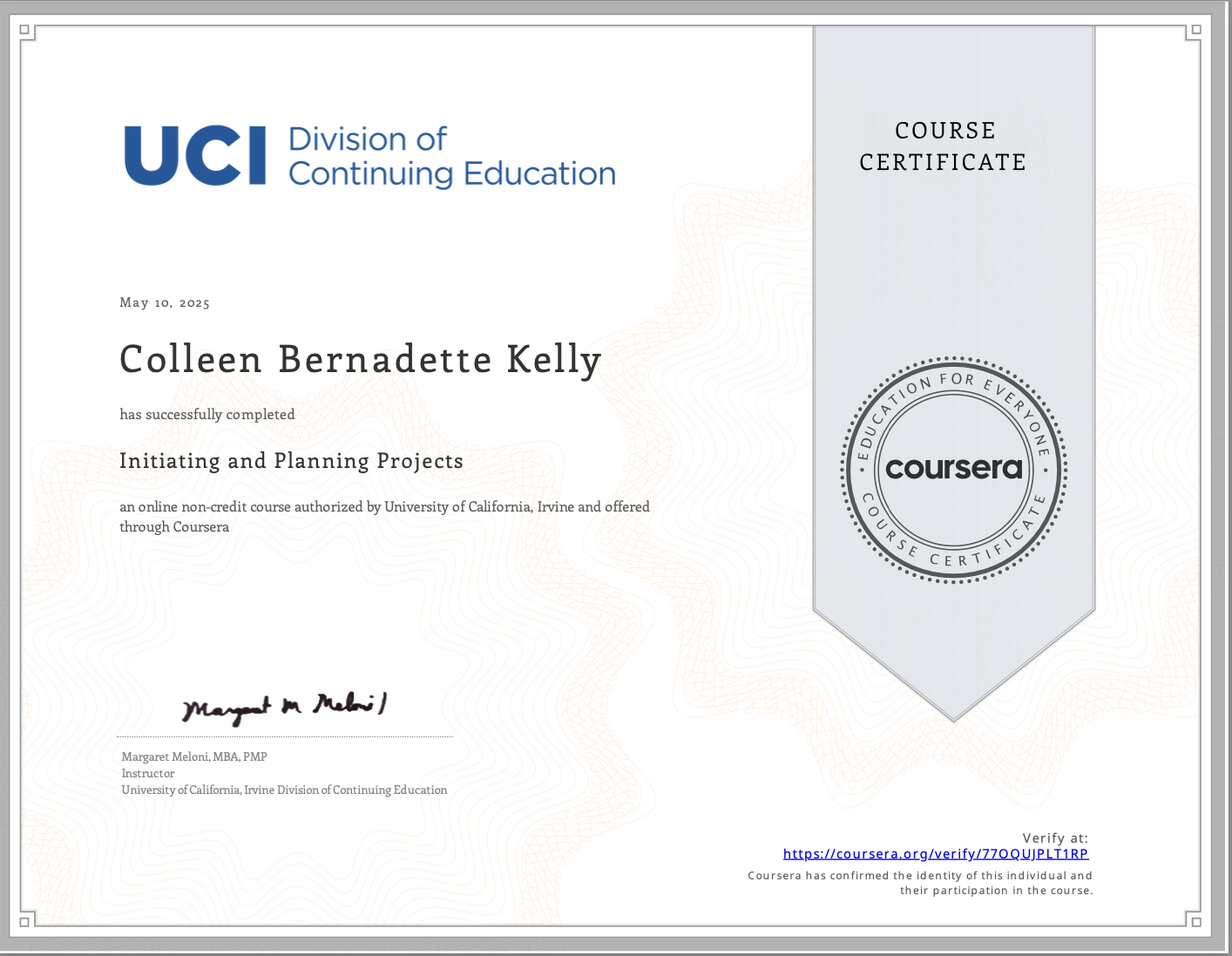
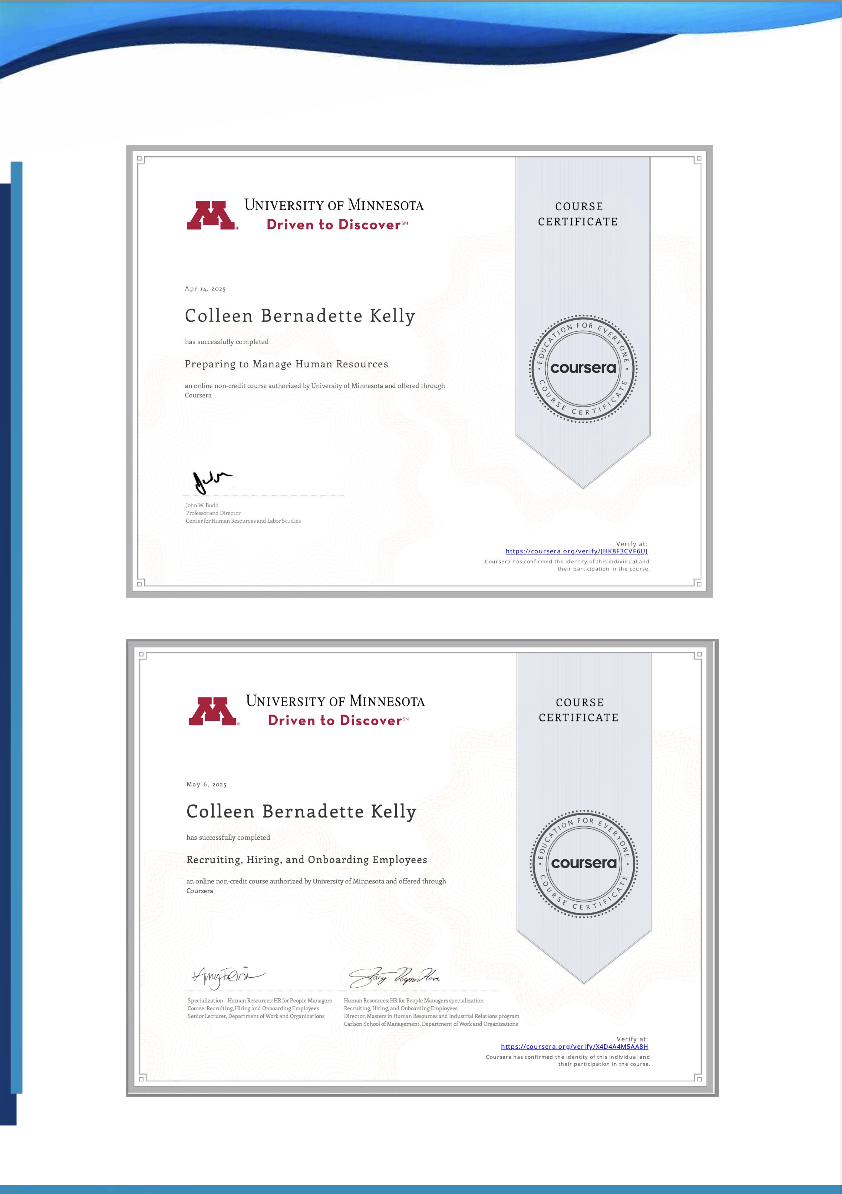
The author possesses extensive experience in research methodology, having completed training in statistical analysis and project management protocols at institutions including the University of New South Wales, Deakin University and University of California Irvine (Coursera short course) and the University of Minnesota (Human Resources) The questionnaires will adhere to established standards in social research methodology, as outlined in works such as “Research Design: Qualitative, Quantitative, and Mixed Methods Approaches” by Creswell (2014).
11. EVALUATION AND SUCCESS METRICS
This data-driven project is meticulously designed with integrated mechanisms for evaluating success, focusing on tangible outcomes that align with stakeholder interests.
The evaluation framework includes:
- Comprehensive key performance indicators (KPIs) that assess economic impact, participant satisfaction, and advancements in social justice, drawing upon methodologies outlined in the International Journal of Project Management.
- Well-defined criteria for measuring project outcomes, ensuring that both the Australian and New Zealand governments and other stakeholders can clearly see the value derived from their investment in this study.
- A stakeholder feedback loop that actively engages participants and partners, allowing for continuous improvement and alignment with the “what’s in it for me” principle, ensuring that all stakeholders recognise and benefit from the study’s success.
12. EXPLORING Additional benefits

Educational Opportunities
- Language Proficiency Certification: Offer certification programs in English or the host country’s language to improve employability.
- Vocational Trade Certificates: Develop accredited vocational training programs in trades like plumbing, electrical work, and carpentry.
- Technical Skills Certifications: Provide certification in technical skills such as computer programming, IT support, or machinery operation.
- Financial Literacy Certification: Create courses with certification on personal finance management, budgeting, and investment strategies.
- Entrepreneurship Certification: Offer programs with a focus on business management and entrepreneurship, leading to recognised certifications.
- Health and Safety Certifications: Provide training and certification in workplace safety standards and emergency response.
- Cultural Orientation Certification: Develop programs that offer certificates in cultural awareness and etiquette for better integration into the host country.
- Soft Skills Training: Offer workshops on communication, teamwork, and problem-solving, culminating in certification.
- Hospitality Certifications: Partner with local hospitality schools to offer recognised certifications in food service and tourism management.
- Online Learning Platforms: Establish partnerships with online educational platforms to provide access to certifications in various fields.

Work-Related Benefits
- Job Placement Services: Provide services to help workers secure employment upon returning home, including certification of skills acquired.
- Internship Opportunities: Facilitate internships that offer hands-on experience and certification in relevant fields.
- Mentorship Programs: Pair workers with industry professionals for guidance on career paths and networking opportunities.
- Leadership Development Programs: Develop programs focused on cultivating future leaders in various sectors, with certification upon completion.
- Trade Competitions: Organize competitions that enable workers to showcase their skills and earn recognition.

Health & Wellness Employers Could Offer
- Health Insurance Packages: Offer affordable health insurance options for seasonal workers during their stay, contributing to overall well-being.
- Mental Health Workshops: Provide access to mental health resources and workshops that focus on stress management and resilience.
- Wellness Programs: Implement wellness initiatives that promote physical health and mental well-being, including fitness classes.

Community Development
- Community Engagement Projects: Encourage workers to participate in community service projects that foster local engagement and skill development.
- Networking Events: Organize events that connect workers with local professionals, enhancing their career opportunities.
- Cultural Exchange Programs: Facilitate events that allow workers to showcase their culture, enhancing cross-cultural understanding.

Financial Support
- Savings Incentives: Implement programs that encourage workers to save a portion of their earnings, potentially with matching contributions.
- Affordable Remittance Services: Provide low-cost remittance options for workers to send money back home, benefiting local economies.
- Emergency Financial Assistance: Establish funds to support workers in times of unexpected financial hardship.

Family Connection Programs
- Family Connection Programs: Offer services that help workers maintain contact with their families while abroad.
- Childcare Support: Provide childcare options to help workers with families manage their responsibilities.

Career Advancement
- Clear Advancement Pathways: Develop transparent pathways for career advancement within the organisation.
- Regular Performance Feedback: Conduct evaluations that provide constructive feedback and support professional growth.
- Scholarships for Further Education: Offer scholarships for workers who wish to pursue further studies in their home countries.

Cultural & Recreational Activities
- Cultural Festivals: Host festivals that celebrate the diverse backgrounds of seasonal workers, promoting inclusivity.
- Leisure and Sports Activities: Provide organized sports and recreational activities to encourage community building.

Legal Awareness
- Worker Rights Education: Offer training on the legal rights and protections available to workers in the host country.
- Legal Aid Services: Provide access to legal assistance for immigration and labor-related matters.

Technological Access
- Access to Digital Resources: Offer free or subsidized access to computers and the internet for educational purposes.
- Digital Skills Training: Provide training in digital literacy, enhancing employability in a tech-driven world.

Environmental Awareness
- Sustainability Education: Offer training on sustainable practices that workers can implement in their home countries.
- Community Gardening Projects: Involve workers in local environmental and gardening initiatives that promote sustainability.

Inclusive Workplace Policies
- Diversity Training for Staff: Provide diversity and inclusion training for local employers and staff to create a welcoming environment.
- Feedback Mechanisms: Implement channels for workers to share their experiences and suggestions for improvement.

Time Management Workshops
- Time Management Workshops: Offer workshops to help workers develop effective time management skills.
- Goal-Setting Programs: Assist workers in setting and achieving personal and professional goals through coaching.

Recognition and Appreciation
- Recognition Awards: Establish awards to recognize outstanding contributions of seasonal workers.
- Alumni Networks for Graduates: Create networks that connect former workers for ongoing support and collaboration.

Emergency Response Training
- Emergency Response Training: Provide training in emergency preparedness and response, beneficial for individual and community safety.

Cross Cultural Training
- Cross-Cultural Competency Training: Offer training for both workers and local staff to enhance mutual understanding and respect.

Transition Support
- Reintegration Programs: Develop programs to support workers in their transition back to their home countries.
- Post-Employment Counselling: Provide resources for workers to help them navigate their careers after returning home.
- Local Project Investments: Collaborate with workers to identify and invest in development projects in their home communities.

Community Investment
- Local Project Investments: Collaborate with workers to identify and invest in development projects in their home communities.


Long Term Collaborations
- Partnerships with Educational Institutions: Establish collaborations with educational and training institutions in both host and home countries to create ongoing learning opportunities.