The Pacific Islands and Timor-Leste Transnational Seasonal Employment Study

About Colleen Kelly button with orange background and white text.

Researcher: Adj. Prof. Colleen B. Kelly


Start Date: February, 2025
Completion Date: March, 2027

Follow-Up: A comprehensive final report will be submitted upon project completion, with recommended follow-up studies at 12 and 24 months to assess long-term impacts.

1. Introduction

The Pacific Islands and Timor-Leste face urgent socio-economic challenges, such as high unemployment and limited educational opportunities. In response, transnational employment programs have emerged as a promising solution, fostering economic mobility and social empowerment. This study, “The Pacific Island and Timor-Leste Transnational Employment Study,” examines the impacts of these initiatives on participants and compares them to frameworks in Australia, New Zealand, Canada, and the United States.

Key benefits of transnational employment programs, like Australia’s Labour Mobility (PALM) scheme, include:

  1. Economic Growth and Stability: These programs address labor shortages in vital sectors, providing participants with stable incomes and stimulating local economies through remittances.
  2. Skill Development: They enhance participants’ employability by facilitating skill transfer, contributing to a more skilled workforce in their home countries.
  3. Social Justice and Empowerment: By promoting labor mobility, these initiatives strengthen community ties and improve access to opportunities, enhancing overall quality of life.

This research will explore socio-economic outcomes and barriers to participation, aiming to inform policymakers on equitable and sustainable employment programs that align with community needs. Ultimately, the study seeks to improve lives through initiatives that empower individuals and strengthen communities.

What is the australian ‘palm’ program?

The PALM (Pacific Australia Labour Mobility) scheme is an initiative of the Australian government designed to allow workers from Pacific Island countries and Timor-Leste to work in Australia to help fill labor shortages. As of my last knowledge update in October 2023, the countries that participate in the PALM scheme include:

  • Fiji
  • Kiribati
  • Nauru
  • Papua New Guinea
  • Samoa
  • Solomon Islands
  • Tonga
  • Tuvalu
  • Vanuatu
  • Timor-Leste

what is the nz program? (RSE)

New Zealand has its own similar programs such as the Recognized Seasonal Employer (RSE) scheme, which allows workers from Pacific countries to work in New Zealand. While the exact list of countries may vary slightly, the main participating countries are generally aligned with those in the PALM scheme.

New Zealand Recognized Seasonal Employer (RSE) Scheme Countries:
  • Fiji
  • Kiribati
  • Nauru
  • Papua New Guinea
  • Samoa
  • Solomon Islands
  • Tonga
  • Tuvalu
  • Vanuatu
  • Timor-Leste

Both Australia and New Zealand aim to support Pacific nations through these labor mobility schemes, helping to address labor shortages while providing economic opportunities for workers from these countries. Please verify with the most current and official resources, as program details may change.

2. ObjectiveS

  1. Improve the Lives of Workers
    Asses the current transnational employment systems, investigate fair employment practices, and new opportunities, in Australia and New Zealand, to enhance the livelihoods of Pacific Island & Timor-Leste workers.
  2. Improving Economic Returns
    Assess ways to enhance the economic benefits by increased productivity and economic growth in sectors experiencing labor shortages.
  3. Fill Labor Shortages
    To assess how PALM and associated global programs might improve to better address labour shortages, allowing industries to operate efficiently without the need for long-term hiring commitments.
  4. Improve Productivity Through Return of Workers
    Returning workers bring familiarity, skills and knowledge, loyalty and engagement that enhances productivity and operational practices.
  5. Enhance Socio-Economic Conditions of Participating Countries
    Foster local economic growth and empower community development initiatives to improve worker’s finances and living standards, respecting and uplifting the unique cultural contexts of each community.
  6. Fortify Community Resilience
    Help communities diversify and develop new income sources, especially in the age of “work-from-home” employment and “study-from-home” education now available through artificial intelligence that was never previously possible, thereby building brand new opportunities for the Pacific and Timor-Leste and true resilience against economic shocks and crises.
  7. Advance Social Justice and Equity
    Promote equitable access to employment for marginalised groups, fostering inclusivity and enhancing community engagement.
  8. Enhance Geopolitical Security and Influence
    By actively engaging in the Pacific and Timor-Leste regions, Australia and New Zealand can strengthen their friendship, trade and diplomatic ties and promote stability, while addressing the diverse interests of various geopolitical actors.
  9. Foster Cultural Exchange and Understanding
    Promote cultural exchange, enhancing mutual understanding and strengthening diplomatic relations between Australia, New Zealand, and Pacific Island nations.

3. Project Design

This project has been designed to encourage follow up projects at 12 months and 2 years after completion, therefore the project has been designed using scientific methods to ensure the study is able to be repeated. This study employs rigorous scientific methodologies to ensure reproducibility and reliability of results. The design incorporates both qualitative and quantitative approaches to gather extensive data on the socio-economic landscapes of the Pacific Islands and Timor-Leste, particularly as they pertain to the Pacific Australia Labour Mobility (PALM) System, and the New Zealand Recognised Seasonal Employer (RSE) scheme.

4. Scope

Data collection will involve structured questionnaires and stakeholder interviews across participating countries, including:

  • Fiji
  • Kiribati
  • Nauru
  • Papua New Guinea
  • Samoa
  • Solomon Islands
  • Tonga
  • Tuvalu
  • Vanuatu
  • Timor-Leste

5. Stakeholders

The project will create a triadic benefit structure:

  1. Workers will gain access to fair wages and improved working conditions (International Labour Organisation). They will benefit from:
    • Enhanced earning potential, allowing for improved living standards and community investment.
    • Access to training and educational programmes that empower them to develop new skills, not only for their job but also for community leadership roles.
    • Opportunities for personal and professional growth through mentorship and skill-sharing initiatives.
  2. Corporations will experience enhanced productivity and reduced turnover by fostering a return workforce familiar with company culture and practices (Fair Work Ombudsman). This will lead to:
    • Increased efficiency and output due to a skilled and reliable workforce.
    • Lower recruitment costs as returning workers already understand the workplace dynamics.
  3. Australia will address labour shortages in critical sectors, ensuring the continuity of essential services and agricultural production (Department of Agriculture, Fisheries and Forestry). Benefits include:
    • Enhanced food security through increased agricultural productivity.
    • Access to a diverse food supply that supports local markets and cuisines.

The overarching aim is to create a win-win scenario where improved conditions for workers translate into greater benefits for their home communities, thereby fostering sustainable economic growth.

6. Project Timeline

The project will span two years, commencing February 2025, and concluding December 2026.

7. Key Resources

The project will be supported by a combination of my own research expertise and established methodologies. I will utilise:

  • Comprehensive literature reviews to inform the study design and data collection processes.
  • Statistical software and tools that I am proficient in (SPSS), ensuring robust data analysis.
  • Established research frameworks and methodologies that I will adapt for the unique contexts of the Pacific Islands and Timor-Leste.
  • Personal networks within academic and professional circles to facilitate access to relevant data and insights.
  • Engagement with local communities to ensure culturally sensitive and contextually relevant data collection.

This strategic approach will ensure that the project is grounded in rigorous research principles while directly benefiting from my academic and practical experience.

8. Risk Management

Public liability will be managed in accordance with legal standards, with oversight provided by relevant authorities. As a former Spokeswoman for the WorkCover Authority of NSW, I will ensure all community engagement activities are meticulously planned, documented, and evaluated for effectiveness.

9. Communication Plan

Stakeholders will receive monthly updates on project progress and findings, fostering transparency and engagement throughout the study’s lifecycle.

10. Quality Assurance

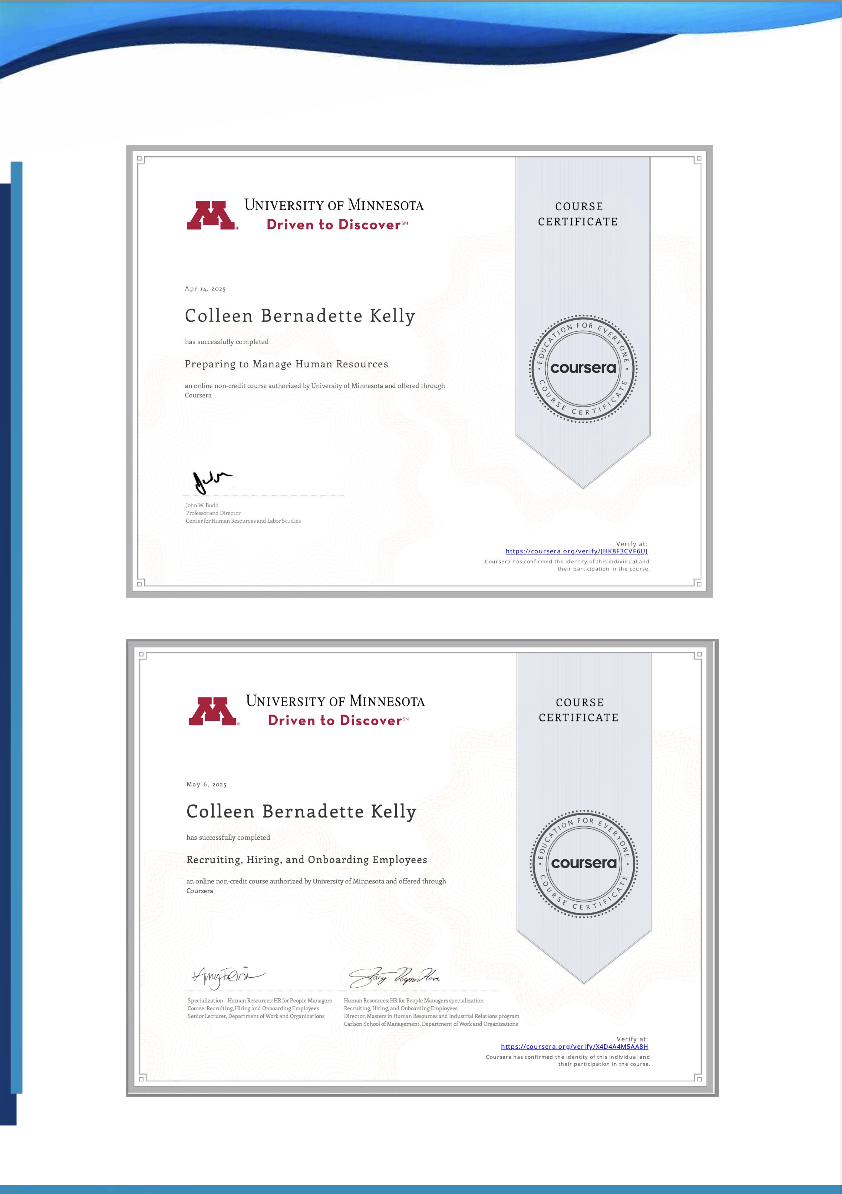
The author possesses extensive experience in research methodology, having completed training in statistical analysis and project management protocols at institutions including the University of New South Wales, Deakin University and University of California Irvine (Coursera short course) and the University of Minnesota (Human Resources) The questionnaires will adhere to established standards in social research methodology, as outlined in works such as “Research Design: Qualitative, Quantitative, and Mixed Methods Approaches” by Creswell (2014).

11. EVALUATION AND SUCCESS METRICS

This data-driven project is meticulously designed with integrated mechanisms for evaluating success, focusing on tangible outcomes that align with stakeholder interests.

The evaluation framework includes:

  • Comprehensive key performance indicators (KPIs) that assess economic impact, participant satisfaction, and advancements in social justice, drawing upon methodologies outlined in the International Journal of Project Management.
  • Well-defined criteria for measuring project outcomes, ensuring that both the Australian and New Zealand governments and other stakeholders can clearly see the value derived from their investment in this study.
  • A stakeholder feedback loop that actively engages participants and partners, allowing for continuous improvement and alignment with the “what’s in it for me” principle, ensuring that all stakeholders recognise and benefit from the study’s success.

12. EXPLORING Additional benefits

A young man smiling while holding a certificate, standing in front of a world map with flags in the background.

Educational Opportunities

  • Language Proficiency Certification: Offer certification programs in English or the host country’s language to improve employability.
  • Vocational Trade Certificates: Develop accredited vocational training programs in trades like plumbing, electrical work, and carpentry.
  • Technical Skills Certifications: Provide certification in technical skills such as computer programming, IT support, or machinery operation.
  • Financial Literacy Certification: Create courses with certification on personal finance management, budgeting, and investment strategies.
  • Entrepreneurship Certification: Offer programs with a focus on business management and entrepreneurship, leading to recognised certifications.
  • Health and Safety Certifications: Provide training and certification in workplace safety standards and emergency response.
  • Cultural Orientation Certification: Develop programs that offer certificates in cultural awareness and etiquette for better integration into the host country.
  • Soft Skills Training: Offer workshops on communication, teamwork, and problem-solving, culminating in certification.
  • Hospitality Certifications: Partner with local hospitality schools to offer recognised certifications in food service and tourism management.
  • Online Learning Platforms: Establish partnerships with online educational platforms to provide access to certifications in various fields.
    A group of diverse individuals wearing hard hats and work attire, engaged in discussion while holding printed materials in an industrial setting.

    Work-Related Benefits

    • Job Placement Services: Provide services to help workers secure employment upon returning home, including certification of skills acquired.
    • Internship Opportunities: Facilitate internships that offer hands-on experience and certification in relevant fields.
    • Mentorship Programs: Pair workers with industry professionals for guidance on career paths and networking opportunities.
    • Leadership Development Programs: Develop programs focused on cultivating future leaders in various sectors, with certification upon completion.
    • Trade Competitions: Organize competitions that enable workers to showcase their skills and earn recognition.
    A group of diverse individuals participating in an outdoor event or activity, smiling and engaging with one another, surrounded by greenery.

    Health & Wellness Employers Could Offer

    • Health Insurance Packages: Offer affordable health insurance options for seasonal workers during their stay, contributing to overall well-being.
    • Mental Health Workshops: Provide access to mental health resources and workshops that focus on stress management and resilience.
    • Wellness Programs: Implement wellness initiatives that promote physical health and mental well-being, including fitness classes.
      A group of diverse individuals engaged in a collaborative learning environment, with some working on laptops at tables and others interacting in conversation, highlighting a community training session focused on skill development.

      Community Development

      • Community Engagement Projects: Encourage workers to participate in community service projects that foster local engagement and skill development.
      • Networking Events: Organize events that connect workers with local professionals, enhancing their career opportunities.
      • Cultural Exchange Programs: Facilitate events that allow workers to showcase their culture, enhancing cross-cultural understanding.
        A person holding a golden coin with a dollar symbol in their hands, symbolizing investment and financial opportunity.

        Financial Support

        • Savings Incentives: Implement programs that encourage workers to save a portion of their earnings, potentially with matching contributions.
        • Affordable Remittance Services: Provide low-cost remittance options for workers to send money back home, benefiting local economies.
        • Emergency Financial Assistance: Establish funds to support workers in times of unexpected financial hardship.
          A family of four, including a young girl, is gathered around a computer, smiling and looking engaged, with sunlight filtering through a window in the background.

          Family Connection Programs

          • Family Connection Programs: Offer services that help workers maintain contact with their families while abroad.
          • Childcare Support: Provide childcare options to help workers with families manage their responsibilities.
            A group of individuals observed a discussion while standing in a fruit orchard during sunset. One person is climbing a ladder to pick fruits, while others hold clipboards and engage in conversation.

            Career Advancement

            • Clear Advancement Pathways: Develop transparent pathways for career advancement within the organisation.
            • Regular Performance Feedback: Conduct evaluations that provide constructive feedback and support professional growth.
            • Scholarships for Further Education: Offer scholarships for workers who wish to pursue further studies in their home countries.

              Cultural & Recreational Activities

              • Cultural Festivals: Host festivals that celebrate the diverse backgrounds of seasonal workers, promoting inclusivity.
              • Leisure and Sports Activities: Provide organized sports and recreational activities to encourage community building.
                An image featuring a bronze balance scale, a globe, and a golden padlock, with the text 'Legal Awareness' prominently displayed.

                Legal Awareness

                • Worker Rights Education: Offer training on the legal rights and protections available to workers in the host country.
                • Legal Aid Services: Provide access to legal assistance for immigration and labor-related matters.
                  A group of diverse individuals working together in an industrial setting, wearing safety helmets and work uniforms while engaging with equipment.

                  Technological Access

                  • Access to Digital Resources: Offer free or subsidized access to computers and the internet for educational purposes.
                  • Digital Skills Training: Provide training in digital literacy, enhancing employability in a tech-driven world.
                    A diverse group of individuals, including men and women, gathered together outdoors, smiling and engaging in planting activity, with some wearing hard hats and bandanas, symbolizing teamwork and community involvement in sustainable practices.

                    Environmental Awareness

                    • Sustainability Education: Offer training on sustainable practices that workers can implement in their home countries.
                    • Community Gardening Projects: Involve workers in local environmental and gardening initiatives that promote sustainability.
                      A panel discussion on workplace diversity, featuring several speakers presenting in front of an audience. The backdrop displays the words 'Workplace Diversity' and images of diverse groups of people.

                      Inclusive Workplace Policies

                      • Diversity Training for Staff: Provide diversity and inclusion training for local employers and staff to create a welcoming environment.
                      • Feedback Mechanisms: Implement channels for workers to share their experiences and suggestions for improvement.
                      A man standing on a stone pathway surrounded by books, gears, and plants, symbolizing growth and learning.

                      Time Management Workshops

                      • Time Management Workshops: Offer workshops to help workers develop effective time management skills.
                      • Goal-Setting Programs: Assist workers in setting and achieving personal and professional goals through coaching.
                          Group of graduates celebrating with certificates, wearing colorful floral shirts and graduation caps, smiling and posing together indoors.

                          Recognition and Appreciation

                          • Recognition Awards: Establish awards to recognize outstanding contributions of seasonal workers.
                          • Alumni Networks for Graduates: Create networks that connect former workers for ongoing support and collaboration.
                          Group of trainees in safety gear standing in front of an emergency training facility, ready for a training session.

                          Emergency Response Training

                          • Emergency Response Training: Provide training in emergency preparedness and response, beneficial for individual and community safety.
                            A group of six individuals in colorful tropical shirts gathered around a table filled with documents, smiling and engaging with each other in a collaborative discussion.

                            Cross Cultural Training

                            • Cross-Cultural Competency Training: Offer training for both workers and local staff to enhance mutual understanding and respect.
                            Graphic representation of transition support featuring a graduation cap, books, a door, and symbols representing personal growth.

                            Transition Support

                            • Reintegration Programs: Develop programs to support workers in their transition back to their home countries.
                            • Post-Employment Counselling: Provide resources for workers to help them navigate their careers after returning home.
                            • Local Project Investments: Collaborate with workers to identify and invest in development projects in their home communities.
                              A group of diverse individuals working together in a lush agricultural field, with a focus on community gardening and sustainable practices. In the background, a solar panel installation is visible, indicating a commitment to renewable energy. The environment is vibrant and green, showcasing a successful farming initiative.

                              Community Investment

                              • Local Project Investments: Collaborate with workers to identify and invest in development projects in their home communities.
                                  An illustration featuring the text 'Feedback & Continuous Improvement' surrounded by colorful arrows on a light yellow background.

                                  Feedback & Continuous Improvement

                                  • Regular Needs Assessments: Conduct assessments to understand the ongoing needs of workers and improve program offerings.
                                    An artistic illustration of two hands shaking in front of a gear symbol, representing teamwork and long-term collaborations.

                                    Long Term Collaborations

                                    • Partnerships with Educational Institutions: Establish collaborations with educational and training institutions in both host and home countries to create ongoing learning opportunities.
                                    A red speech bubble graphic with the text 'SUBSCRIBE FOR UPDATES' in bold white letters.

                                    Lawsuits & Productivity in the Age of Artificial Intelligence.

                                    MY CONFESSION…

                                    I am a self-confessed computer geek, so much so I used to run the computer help desk at the WorkCover Authority of NSW, and when any staff member state-wide wanted to know something about Microsoft – I had to know, or find, the answer.

                                    So, imagine my DELIGHT at artificial intelligence. In my lifetime I have gone from helping with the change management from little old WordPerfect on 8 inch floppy disks, at the University of NSW and manual payroll for hundreds while I was an Employment Consultant to now being able to go on the FairWork website and calculate every kind of leave loading and entitlement, every percentage and calculation already there for you.

                                    For those struggling with AI, what it is, don’t panic….you can have just as much fun as I have had in the past year or so when it has really hit the market.

                                    HOWEVER….Possible LAWSUITS

                                    Whenever I start a new project, I follow the old Stephen Covey quote: “begin with the end in mind”. Of course, the living breathing “end” for any organisation, any department, or any individual, is a lawsuit. So, I always START with the question “how could they sue us?”, and work the project back from it’s very worst case scenario.

                                    No, I’m not a pessimist…I’m an OPTIMIST who knows how to stay out of lawsuits. And, being an Expert Witness, and as Spokeswoman for the WorkCover Authority of NSW….I’ve so many times situations end in lawsuits, the “big daddy” of lawsuits: class-actions – and millions of dollars lost – even if you win – in legal fees, lost productivity. Not to mention the loss of trust from the public.

                                    WHAT KIND OF LAWSUITS COULD BE RELATED TO ARTIFICIAL INTELLIGENCE?

                                    Lawsuits related to AI can span a broad range of issues as AI technologies become more integrated into various aspects of life and industry. Here are some common areas where legal challenges could arise:

                                    1. Intellectual Property (IP) Disputes:
                                      Ownership of AI-Generated Content: Disputes over who owns the copyright to works created by AI systems.
                                      Patent Issues: Legal battles over patents related to AI technologies, including algorithms and software.
                                    2. Data Privacy and Protection:
                                      Data Breaches: Legal liability for AI systems that fail to protect sensitive personal data.
                                      Unauthorized Data Use: Lawsuits over the misuse of personal data for training AI models without consent.
                                    3. Bias and Discrimination:
                                      Algorithmic Bias: Cases where AI systems exhibit biased behavior leading to discrimination (e.g., in hiring or lending).
                                      Discriminatory Outcomes: Legal repercussions if AI systems result in unfair treatment based on race, gender, or other protected characteristics.
                                    4. Liability for Damages:
                                      Product Liability: Claims against companies for damages caused by malfunctioning AI systems, such as self-driving car accidents.
                                      Negligence: Lawsuits due to failure to properly oversee or configure AI systems causing harm.
                                    5. Contractual Disputes:
                                      Misrepresentations: Disputes over the failure of AI solutions to meet contractual obligations or advertised capabilities.
                                      Performance Standards: Legal action concerning unmet performance metrics defined in AI service agreements.
                                    6. Defamation and Libel:
                                      AI Output: Cases where AI-generated content leads to reputational damage.
                                    7. Employment and Labor Law:
                                      Job Displacement: Legal challenges related to AI displacing workers, potentially involving unions or worker rights assessments.
                                      Surveillance and Privacy: Issues concerning the deployment of AI for employee monitoring or evaluation.
                                    8. Regulatory Compliance:
                                      Non-compliance: Legal actions stemming from failures to adhere to AI-specific regulatory requirements.

                                    These types of lawsuits will evolve with the technology and regulation landscape, requiring companies to be proactive in managing legal risks associated with AI.

                                    learn more…

                                    When preparing for this article, these were the most helpful websites & courses:

                                    ARTICLES & INFO

                                    COURSES

                                    Navigating Human Resources, IR, ER & SHEQ in 2025’s Turbulent Economy

                                    Navigating Human Resources, IR, ER & SHEQ in 2025’s TURBULENT Economy

                                    by Colleen Kelly

                                    Executive Summary

                                    The disruptive nature of 2025’s Q1/Q2 global economics has led to heightened complexity in HR, IR, WHS, and SHEQ domains. The challenges facing organisations, such as the skills gap in HR, new frameworks for collective bargaining in IR, mental health initiatives under WHS, and sustainability demands in SHEQ, mandate a reconsideration of traditional practices. Addressing these issues with innovative solutions is crucial to survival in such a turbulent global economic & labour market. This paper provides strategic recommendations for each area, offering organisations a blueprint to drive sustainable growth while ensuring compliance and worker engagement.

                                    Abstract

                                    The global economy of 2025 is characterised by rapid, disruptive changes in economic trends, trade policies, tariffs, and labour markets, leading to volatile stock values globally and fluctuating retirement plans, such as 401(k), superannuation, and UK pension schemes. These dynamics pose substantial challenges for Human Resources (HR), People & Culture Managers (P&C), Industrial Relations (IR) specialists, Workplace Health and Safety (WHS) officials, and Safety, Health, Environment, and Quality (SHEQ) professionals. This paper utilises empirical research and theoretical frameworks to investigate these challenges and propose strategic, evidence-based solutions. In HR, the emphasis on bridging the skills gap prompted by technological advancements requires novel upskilling and reskilling strategies to ensure workforce capabilities meet market demands. IR is undergoing transformation with new collective bargaining frameworks designed to balance employer-employee dynamics and enhance productivity. The WHS domain is increasingly focused on mental health, adopting data-driven strategies to boost workplace safety and productivity. SHEQ’s drive for sustainability compliance is magnified by climate change, demanding sophisticated environmental management systems. This paper offers a comprehensive framework for organisations to achieve sustainable growth, comply with regulations, and elevate workforce engagement, charting a course towards resilience and competitive advantage in the unstable global environment of 2025.

                                    1. Human Resources (HR)

                                    Main ProblemS
                                    • Economic Recession Impact on Employment: A stock market and 401(k)/superannuation crash could lead to a recession, impacting job security and leading to potential layoffs, reduced job opportunities or compensation and benefits adjustments, legal and compliance issues and significant challenges in communication in an ever-changing market. This would stress the need for robust unemployment protection and reemployment strategies.

                                    • Talent Shortages and Skills Mismatch: Technological advancements outpace the current skill set of the workforce, limiting talent acquisition

                                      (Morgan et al., 2024).
                                    • Remote Work Policies and Employee Engagement: Remote work has reshaped traditional office culture, challenging engagement and cohesion
                                      (Johnson & Lee, 2025).
                                    Recommendations
                                    1. Develop strategic partnerships with educational institutions to tailor skill development.
                                    2. Invest in technology-focused training programs for upskilling employees.
                                    3. Implement AI tools for better recruitment and skills matching.
                                    4. Cultivate a remote-friendly company culture through regular virtual team-building activities.
                                    5. Redefine KPIs to integrate remote work specifics, ensuring performance monitoring.
                                    6. Utilise digital collaboration platforms to enhance communication and project management.
                                    7. Foster inclusive environments to leverage diverse talent and perspectives.
                                    8. Conduct regular engagement surveys to identify and address remote work challenges.
                                    9. Initiate a mentorship program for continuous professional development.
                                    10. Adapt benefits packages to support broader work-life balance needs.

                                    2. Industrial Relations (IR)

                                    Main Problems
                                    • Collective Bargaining in a Changing Workforce: The growing gig economy necessitates new negotiation frameworks in labor relations
                                      (Wilson, 2023).
                                    • Labor Law Compliance in Global Markets: Complex and varying laws present challenges for multinational operations
                                      (Sharma & Patel, 2025).
                                    Recommendations
                                    1. Revise labor contracts to incorporate gig workers under specific frameworks.
                                    2. Employ legal experts to lead compliance initiatives across diverse jurisdictions.
                                    3. Create cross-border task forces for labor law harmonisation.
                                    4. Develop digital platforms for efficient communication with unions and workers.
                                    5. Promote flexible working arrangements that align with global norms.
                                    6. Establish employee councils to give voice to non-standard workers.
                                    7. Provide cross-cultural training to ease global operation challenges.
                                    8. Deploy technology for real-time labor compliance monitoring.
                                    9. Lobby for unified regional labor frameworks.
                                    10. Implement strategic foresight methodologies to anticipate labor relations shifts.

                                    3. EMPLOYEE RELATIONS

                                    Main Problems
                                    • Job Security Concerns:  Since January 1st, 2025, 827+ companies have announced mass layoffs. [Last update: March 03, 2025]. April 01, 2025: Swedish EV battery firm Northvolt cut their workforce to 1,700. March 31, 2025: IBM will lay off thousands of U.S. employees as hiring shifts to India.  The United States has seen massive layoffs of Federal workers, shutting down of entire global departments with significant disruptions, public protests, and countless individual lawsuits and class actions, which currently are almost always being won by fired employees. This represents a massive budget blowout for the US Department of Justice, and subsequent cost to US taxpayers, or it means growing the ever increasing US-debt in defending these allegedly illegal dismissals.  This unprecedented US-led disruption has started flowing rapidly into private sectors globally, especially with organisations heavily affected by tariffs. Job security, also in Australia, has been under much scrutiny with an upcoming election, with dramatic, virtually overnight, changes in policy promises.
                                    • Mental Health and Well-being: Addressing mental health issues effectively remains challenging due to job losses, instability, stigma and integration issues (Cohen et al., 2025).
                                    Recommendations
                                    1. Launch comprehensive wellness programs focusing on mental health and stigma reduction.
                                    2. Develop a comprehensive “workplace violence” prevention policy, education and training, and regular review of physical security measures and training.
                                    3. Train managers in mental health first aid and recognise signs of distress.
                                    4. Adopt a blended approach to risk assessment, incorporating pandemic and infections disease-related risk factors.
                                    5. Enhance virtual health services to accommodate remote teams.
                                    6. Create a pandemic-preparedness task force with defined responsibilities.
                                    7. Invest in personal protective equipment and technology for pandemic scenarios.
                                    8. Foster resilience by offering mindfulness and stress management workshops.
                                    9. Ensure WHS policies are clear, flexible, and regularly updated.
                                    10. Partner with mental health professionals for ongoing employee support and support employees through post-incident intervention.

                                    4. WHS & Safety, Health, Environment, and Quality (SHEQ)

                                    In 2025’s rapidly evolving landscape, SHEQ (Safety, Health, Environment, and Quality) concerns have taken on newfound urgency. Organisations are facing mounting challenges due to not only escalating regulatory demands but also significant global shifts in trade and labor which can radically affect safety standards and compliance.  As underscored by recent studies, such as those by Taylor et al. (2025), companies must adapt swiftly to increasingly stringent environmental standards. This dynamic environment calls for the implementation of innovative strategies that achieve regulatory compliance while also advancing long-term sustainability goals. By focusing on efficiency, waste reduction, and the adoption of green technologies, businesses can effectively navigate these challenges and enhance their overall SHEQ performance.

                                    Main Problems

                                    Resource Constraints:

                                    • Budget cuts and financial strain can lead to reduced investment in SHEQ programs. This might result in inadequate safety measures, less frequent safety training, staff reductions, or insufficient maintenance of equipment, all of which could increase the risk of accidents and incidents.

                                    Regulatory Changes and Compliance:

                                    • Global economic turbulence is leading  to major shifts in international government policy and changes in trade and labour regulatory frameworks. Organisations may struggle to keep up with evolving compliance requirements, especially if they span multiple regions with varying legal standards, potentially leading to fines, legal issues, or damage to reputation.

                                    Supply Chain Disruptions:

                                    • There is current global unknown certainty in supply chain volatility, which can jeopardise the quality of materials and products. Organisations may need to deal with inconsistent supply, unreliable suppliers, or pressure to cut corners to maintain profitability. These conditions can significantly impact product quality, international environmental compliance, and safety standards, leading to higher risk levels and quality control issues.

                                    Occupational Risk Management in a Pandemic-Aware World:

                                    Workplace Violence:

                                    • According to the Occupational Safety and Health Administration (OSHA), approximately 2 million American workers report having been victims of workplace violence each year. In a systematic review, Badii et al. (2022) found that healthcare workers experience the highest incidence rates, with nurses particularly vulnerable to aggression and violence (Journal of Workplace Behavioral Health).
                                    RECOMMENDATIONS
                                    1. Establish Clear Sustainability Benchmarks:
                                      • Develop and implement sustainability targets aligned with recognised international standards such as ISO 14001. Establishing clear benchmarks assists in creating a methodical framework for compliance and ensures transparent goal communication, aligning corporate strategies with environmental stewardship.
                                    2. Leverage Digital Tools for Monitoring:
                                      • Utilise advanced technologies and digital platforms to conduct continuous monitoring and reporting of environmental performance. This facilitates real-time data analytics to refine decision-making processes and swiftly implement necessary adjustments. Further reading can be found at ScienceDirect.
                                    3. Conduct Regular Compliance Audits:
                                      • Implement a robust schedule of internal and third-party audits to evaluate compliance levels with environmental regulations. This proactive approach identifies deficiencies and catalyses continuous improvement. More information is available at SpringerLink.
                                    4. Integrate Training Programs:
                                      • Develop extensive training modules to immerse employees in evolving safety, health, environment, quality and sustainability protocols. A well-informed workforce is crucial for achieving compliance. Explore more on curriculum integration at SAGE Journals.
                                    5. Develop Cross-functional SHEQ Teams:
                                      • Form interdisciplinary teams encompassing Safety, Health, Environment, and Quality (SHEQ) experts. These teams drive comprehensive management strategies, enhancing collaborative approaches and integrative problem-solving. Relevant studies are documented here.
                                    6. Embed SHEQ into Business Decision-making:
                                      • Incorporate SHEQ considerations into the core of business strategy and operational decisions, ensuring synchronised efforts towards sustainability. Detailed perspectives are discussed on SpringerLink.
                                    7. Promote Lifecycle Assessment Practices:
                                      • Conduct comprehensive Life Cycle Assessments (LCAs) to evaluate and mitigate environmental impacts throughout the product or process lifecycle. This holistic assessment is vital for sustainable production and consumption. Further insights are provided by NCBI.
                                    8. Adopt Cutting-edge Technologies:
                                      • Investigate emerging technologies and methodologies to advance waste management, optimise energy usage, and enhance sustainable resource utilisation. These innovations are crucial in reducing the ecological footprint. Research articles on this topic are available at Science Magazine.
                                    9. Centralise SHEQ Management Activities:
                                      • Establish a centralised database system to efficiently manage SHEQ-related activities, enabling progress tracking and simplified reporting. Information on systems integration can be found at MIT Press Journals.
                                    10. Foster External Partnerships:
                                      • Engage with industry partners, government bodies, and environmental organisations to remain informed on regulatory changes and share exemplary practices for enhanced SHEQ management. More about collaborative networks is discussed in JSTOR.

                                    For more information: Contact Colleen Kelly